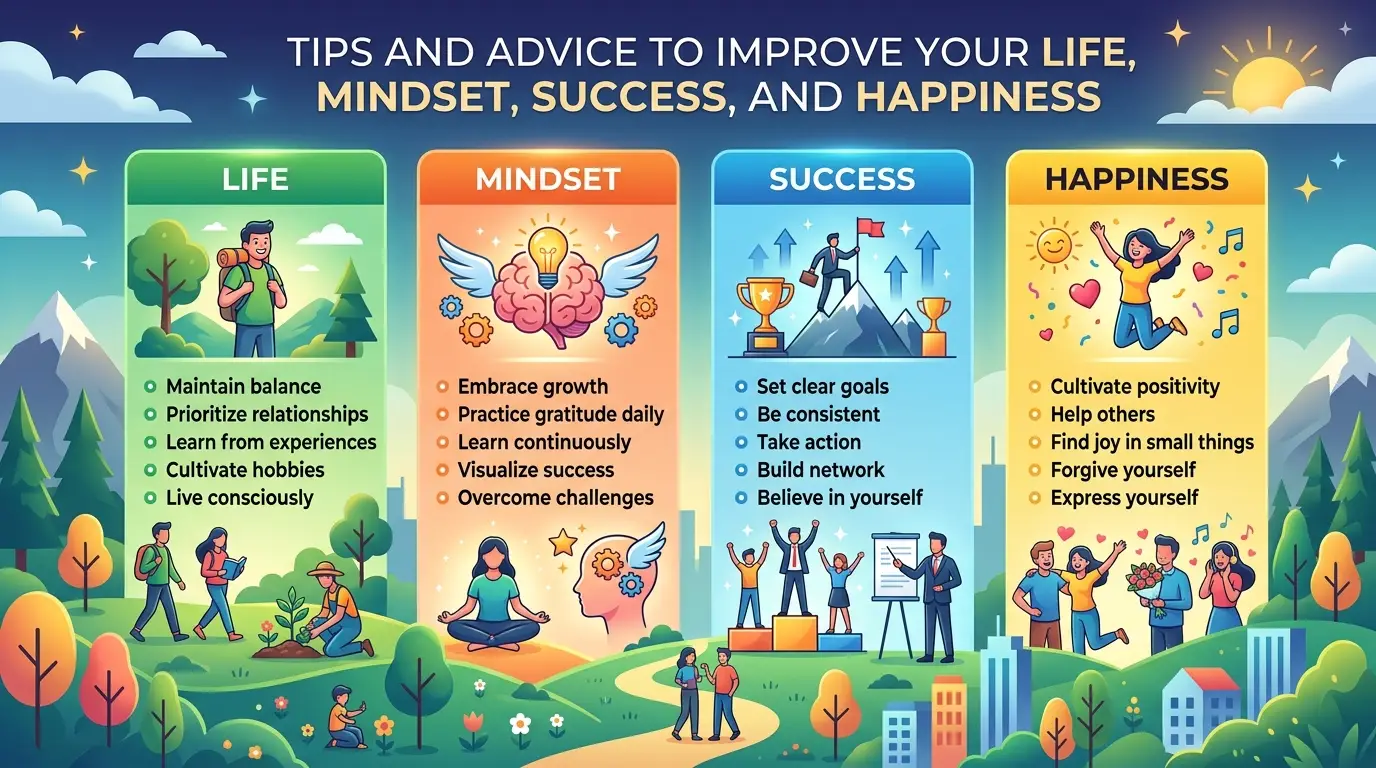
Tips and Advice to Improve Your Life, Mindset, Success, and Happiness
Life rarely comes with a perfect instruction manual. Sometimes, the smallest change in the way you think, plan, communicate, or handle everyday situations can create a surprisingly big difference. These 199 tips and advice are designed to be practical, easy to understand, and useful in real life. Whether you want better habits, stronger relationships, improved productivity, financial discipline, personal growth, or simply more peace of mind, these tips and advice can give you plenty of ideas to try.
Tips and Advice for Everyday Life
“Start your day with a simple plan. Knowing what you want to accomplish before the day becomes busy can help you stay focused instead of constantly reacting to whatever happens around you.”
“Drink enough water throughout the day. Staying hydrated can support your energy, concentration, and overall well-being, especially when you are busy or physically active.”
“Make your bed each morning. It is a small accomplishment, but beginning your day by completing one simple task can create a sense of order and momentum.”
“Keep your living space reasonably organized. You do not need a perfect home, but reducing unnecessary clutter can make it easier to think, work, and relax.”
“Create a realistic morning routine. Choose a few habits you genuinely enjoy rather than copying an elaborate routine that becomes exhausting after a few days.”
“Protect your sleep schedule. Getting consistent, quality sleep can improve your mood, concentration, decision-making, and ability to handle everyday challenges.”
“Learn to say no without feeling guilty. You cannot accept every request, invitation, or responsibility, and protecting your time is an important part of personal growth.”
“Keep promises you make to yourself. When you repeatedly follow through on your own commitments, you gradually build self-trust and confidence.”
“Do difficult tasks earlier when possible. Finishing an important responsibility before distractions pile up can make the rest of your day feel considerably lighter.”
“Stop comparing your entire life to someone else’s highlight reel. Social media usually shows selected moments, not the struggles, failures, doubts, and ordinary days behind them.”
“Take short breaks when working for long periods. A few minutes away from a demanding task can refresh your attention and help prevent mental fatigue.”
“Keep a simple to-do list. Writing down responsibilities can free your mind from trying to remember everything at once.”
“Prioritize what actually matters. Being busy does not automatically mean being productive, so identify the activities that create meaningful results.”
“Learn something new regularly. Reading, practicing a skill, watching educational content, or asking thoughtful questions can keep your mind curious and adaptable.”
“Spend time outside when you can. Fresh air, sunlight, movement, and a change of surroundings can provide a welcome mental reset.”
“Practice gratitude deliberately. Instead of waiting for something extraordinary to happen, notice the ordinary things that make your life better.”
“Keep your phone away during important conversations. Giving someone your full attention shows respect and can strengthen your relationships.”
“Think before responding when you are angry. A short pause can prevent you from saying something that feels satisfying for ten seconds but damaging for years.”
“Do not make permanent decisions based on temporary emotions. Feelings are important, but intense emotions can distort your judgment.”
“Apologize when you are genuinely wrong. A sincere apology does not make you weak; it demonstrates accountability and emotional maturity.”
Tips and Advice for Personal Growth
“Focus on progress rather than perfection. Waiting until everything is perfect can keep you from starting, while consistent improvement creates real momentum.”
“Identify your strengths. Understanding what you naturally do well can help you choose opportunities where your abilities can grow.”
“Accept your weaknesses without becoming defined by them. Everyone has areas that need improvement, and recognizing them is the beginning of development.”
“Set goals that are specific. A vague goal such as ‘get healthier’ becomes more useful when you define what healthier actually means for you.”
“Break large goals into smaller actions. A huge ambition can feel overwhelming, but one manageable step can make the same ambition feel achievable.”
“Track your progress. Seeing evidence of improvement can keep you motivated when the final result still feels far away.”
“Read beyond your usual interests. Exploring unfamiliar subjects can introduce new perspectives and help you discover ideas you never expected to enjoy.”
“Ask for constructive feedback. Honest feedback from thoughtful people can reveal blind spots that are difficult to notice by yourself.”
“Do not fear beginner status. Every expert once struggled with basic concepts, made mistakes, and felt uncomfortable while learning.”
“Practice patience with yourself. Personal development is rarely a straight line, and temporary setbacks do not erase the progress you have already made.”
“Challenge negative assumptions. When your mind automatically tells you that something will fail, ask whether you have evidence or are simply predicting the worst.”
“Spend more time creating than consuming. Producing ideas, writing, building, practicing, or creating can develop skills that passive entertainment cannot provide.”
“Learn from failure instead of simply labeling it failure. Ask what happened, what you could change, and what the experience taught you.”
“Develop emotional awareness. Learning to identify what you feel can make it easier to understand why you react in certain ways.”
“Take responsibility for your choices. Not everything that happens is your fault, but your response is often within your control.”
“Build confidence through action. Waiting until you feel confident can keep you stuck, while taking small actions can create confidence naturally.”
“Stop seeking everyone’s approval. Different people will have different opinions, so building your entire identity around pleasing others is exhausting.”
“Spend time alone occasionally. Solitude can give you space to reflect, think creatively, and understand what you actually want.”
“Choose environments that support your goals. Your surroundings, routines, and social circles can strongly influence your behavior.”
“Keep becoming a person you respect. Instead of chasing an image of success, focus on developing qualities such as honesty, discipline, kindness, courage, and reliability.”
Tips and Advice for Productivity and Success
“Choose your three most important tasks each day. A short priority list is often more useful than a huge collection of unfinished tasks.”
“Use deadlines wisely. Giving yourself a realistic completion time can reduce procrastination and create a stronger sense of urgency.”
“Remove obvious distractions. Turning off unnecessary notifications and closing unrelated tabs can make focused work much easier.”
“Work in focused sessions. Concentrating on one task for a defined period can be more effective than constantly switching between responsibilities.”
“Do not confuse multitasking with productivity. Frequently moving between tasks can consume mental energy and reduce the quality of your work.”
“Start before you feel ready. You will rarely have perfect confidence, perfect information, or perfect circumstances, so sometimes action is the best teacher.”
“Keep your workspace comfortable. Good lighting, reasonable organization, and a suitable chair can make long work sessions easier.”
“Automate repetitive tasks when possible. Simple systems can save time that you can redirect toward more valuable activities.”
“Learn to prioritize urgent and important work separately. Something can feel urgent without actually being important to your long-term goals.”
“Finish small tasks quickly when appropriate. If something genuinely takes only a moment, completing it can prevent tiny responsibilities from accumulating.”
“Create routines for recurring responsibilities. When useful actions become automatic, you spend less mental energy deciding when to do them.”
“Review your week regularly. Looking back at what worked and what did not can help you make smarter plans for the following week.”
“Protect your most productive hours. If you know when your concentration is strongest, reserve that period for work that requires serious thinking.”
“Stop waiting for motivation. Motivation comes and goes, but habits and systems can keep you moving when enthusiasm disappears.”
“Reward consistent effort. Recognizing your progress can make challenging goals feel more enjoyable and sustainable.”
“Learn the skill of finishing. Starting exciting projects is easy, but completing them teaches discipline, patience, and follow-through.”
“Keep learning from people who are ahead of you. Books, mentors, courses, interviews, and practical examples can shorten your learning curve.”
“Do not chase every opportunity. Some opportunities look impressive but pull you away from the goals that matter most.”
“Measure meaningful results. Hours spent working are not always the best indicator of productivity; focus on what you actually accomplished.”
“Give yourself permission to rest. Sustainable success requires recovery, not endless activity.”
Tips and Advice for Money and Financial Habits
“Spend less than you earn whenever possible. Creating a gap between income and expenses gives you room to save, invest, and handle unexpected costs.”
“Track your spending. Knowing where your money actually goes can reveal habits that are difficult to notice when you rely on memory.”
“Create a simple budget. A budget does not have to eliminate enjoyment; it simply helps you decide where your money should go before it disappears.”
“Build an emergency fund gradually. Even small contributions can provide a useful financial cushion when unexpected expenses appear.”
“Think before making impulse purchases. Giving yourself time before buying something can help you distinguish genuine needs from temporary excitement.”
“Compare prices before expensive purchases. A few minutes of research can sometimes save a meaningful amount of money.”
“Learn basic financial vocabulary. Understanding concepts such as interest, inflation, debt, savings, and investing can make financial decisions less intimidating.”
“Avoid unnecessary high-interest debt. Interest can quietly turn small purchases into expensive long-term obligations.”
“Save automatically when possible. Automatic transfers can make saving easier because the money is moved before you have an opportunity to spend it.”
“Set financial goals. Saving becomes more motivating when you know what you are saving for and why it matters.”
“Do not use money to impress people. Temporary status purchases can create long-term financial stress.”
“Review subscriptions regularly. Cancel services you rarely use and redirect that money toward something more valuable.”
“Learn to distinguish price from value. The cheapest option is not always the best deal, especially when quality and durability matter.”
“Keep important financial records organized. Knowing where your documents, bills, and account information are can save time and reduce stress.”
“Think long term. Good financial habits may look boring today, but consistency can become powerful over many years.”
Tips and Advice for Relationships
“Listen without immediately preparing your response. People often feel more valued when they know they are genuinely being heard.”
“Communicate directly. Clear conversations usually create fewer misunderstandings than expecting people to guess what you want.”
“Respect boundaries. Healthy relationships require space, individuality, and the freedom to say no.”
“Celebrate other people’s successes. Someone else’s achievement does not reduce your own potential.”
“Do not keep score in every relationship. Healthy connections are not always perfectly balanced from one day to the next.”
“Ask meaningful questions. Showing genuine curiosity about someone’s thoughts, experiences, and goals can deepen a relationship.”
“Keep your word. Reliability is one of the simplest ways to build trust.”
“Give compliments honestly. Specific and sincere appreciation can mean much more than generic praise.”
“Do not gossip about people you claim to care about. Trust becomes difficult when someone knows you regularly discuss others behind their backs.”
“Handle disagreements respectfully. The goal should be understanding and resolution rather than winning every argument.”
“Make time for people who matter. Relationships can weaken when they are continually postponed for work, entertainment, or convenience.”
“Forgive when appropriate. Forgiveness does not mean approving harmful behavior; sometimes it simply means choosing not to carry unnecessary resentment.”
“Notice small acts of kindness. Thoughtful gestures often matter more than expensive gifts.”
“Respect differences. You can care deeply about someone without agreeing with every opinion they hold.”
“Tell people you appreciate them. Do not assume they automatically know how you feel.”
Tips and Advice for Health and Well-Being
“Move your body regularly. Walking, stretching, sports, strength training, or other enjoyable activities can help make movement part of everyday life.”
“Eat a balanced variety of foods. Instead of obsessing over one ingredient or trend, focus on overall variety and moderation.”
“Pay attention to how your body feels. Persistent or concerning symptoms deserve appropriate professional attention rather than endless self-diagnosis.”
“Take mental breaks. Your brain needs recovery just as much as your body does after demanding activity.”
“Spend less time sitting continuously. Even brief movement breaks throughout the day can make a sedentary routine more active.”
“Create a relaxing evening routine. Lowering stimulation before bedtime can help signal that the day is winding down.”
“Do not chase every health trend. What works for one person may not be appropriate for another, so evaluate health advice carefully.”
“Protect your mental space. Constant exposure to stressful news, arguments, or negative content can affect your mood and attention.”
“Practice slow breathing during stressful moments. Deliberately slowing your breathing can create a brief pause between stress and reaction.”
“Make enjoyable activities part of your routine. Well-being is not only about avoiding problems; it is also about creating moments worth enjoying.”
Tips and Advice for Confidence and Self-Respect
“Stand by your values. Confidence becomes stronger when your behavior reflects what you genuinely believe is important.”
“Stop insulting yourself as a joke. Repeated negative self-talk can influence the way you see yourself.”
“Wear clothes that make you feel comfortable and confident. Personal style does not need to follow every trend.”
“Take care of your appearance for yourself. Basic grooming can improve how prepared and confident you feel.”
“Speak clearly and calmly. You do not need to speak loudly to communicate with confidence.”
“Do not apologize for existing. Save apologies for genuine mistakes rather than using them constantly as a way of making yourself smaller.”
“Celebrate small victories. Every meaningful achievement starts with smaller steps that are easy to overlook.”
“Learn to tolerate awkward moments. Not every uncomfortable interaction is a disaster, and most people move on much faster than you think.”
“Stop replaying every mistake. Reflection can teach you something, but endless mental punishment rarely improves the future.”
“Know your non-negotiables. Understanding what you will and will not accept can make difficult decisions clearer.”
“Trust yourself gradually. Confidence is often built through repeated experiences of making decisions, learning, adapting, and continuing.”
Tips and Advice for Better Decision-Making
“Gather enough information before important decisions. You do not need infinite research, but you should understand the major risks and consequences.”
“Consider the long-term effect. Ask how today’s choice might look six months or five years from now.”
“Do not decide solely from fear. Fear can identify risks, but it should not automatically control your choices.”
“Write down major decisions. Seeing your thoughts on paper can reveal assumptions and contradictions that remain hidden in your head.”
“Ask what you can control. Separating controllable factors from uncontrollable ones can make complicated situations easier to manage.”
“Consider the opportunity cost. Choosing one path often means giving up time, money, or attention that could have been used elsewhere.”
“Do not let sunk costs control your future. Something being expensive or time-consuming in the past does not necessarily mean you should continue it.”
“Ask trusted people for perspective. Sometimes another person’s viewpoint can reveal an option you overlooked.”
“Give yourself time when a decision is emotional. If something is not urgent, allowing emotions to settle can improve judgment.”
“Accept that some decisions will be imperfect. Good decision-making is not about predicting everything; it is about making the best reasonable choice with available information.”
Tips and Advice for a Happier Life
“Make room for fun. Responsibilities matter, but a life without enjoyable moments can quickly become exhausting.”
“Spend time with people who make you feel safe and valued. Positive relationships can add meaning to ordinary days.”
“Stop postponing every enjoyable experience until you reach a major goal. Life is happening while you work toward the future.”
“Create traditions. Simple recurring activities can become meaningful memories over time.”
“Explore new places when possible. A change of scenery can refresh your perspective and introduce you to experiences outside your normal routine.”
“Keep a list of things that make you happy. When life feels repetitive, use the list as inspiration for small positive changes.”
“Practice being present. Constantly worrying about tomorrow or replaying yesterday can prevent you from experiencing today.”
“Accept that bad days happen. A difficult day does not mean your entire life is going badly.”
“Find meaning in ordinary moments. A good conversation, favorite meal, quiet morning, or funny memory can be valuable without being extraordinary.”
“Protect your peace. Not every argument deserves your attention, and not every opinion requires a response.”
Final Tips and Advice to Remember
“Be willing to change your mind when new evidence appears. Changing an opinion is not always weakness; sometimes it is evidence that you are learning.”
“Keep your standards high while remaining realistic. Growth requires ambition, but unrealistic expectations can create unnecessary frustration.”
“Do not let one failure define you. A single disappointing result is an event, not a permanent identity.”
“Learn to adapt. Circumstances change constantly, and flexibility can become one of your greatest strengths.”
“Take responsibility without carrying unnecessary shame. Accountability asks what you can do better; shame simply tells you that you are bad.”
“Protect your attention. What repeatedly captures your attention can eventually influence your thoughts, habits, priorities, and lifestyle.”
“Be careful who you trust with personal information. Trust should generally grow through consistent behavior rather than immediate promises.”
“Keep your standards for friendship and relationships healthy. Choose people who respect your boundaries, celebrate your growth, and communicate honestly.”
“Practice kindness without expecting applause. Doing good because it reflects your values can be more rewarding than doing it for recognition.”
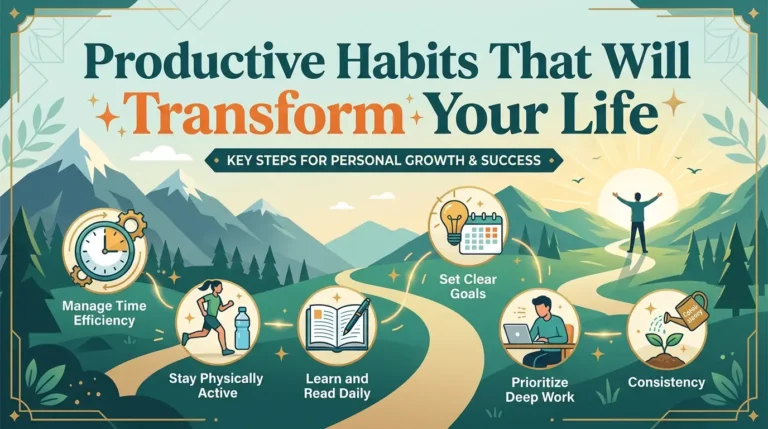
“Do not underestimate consistency. Small actions repeated over months can produce results that occasional bursts of motivation rarely achieve.”
“Make peace with being misunderstood sometimes. You cannot control every person’s interpretation of your choices.”
“Ask for help when you genuinely need it. Seeking assistance is often a practical decision rather than a sign of weakness.”
“Keep improving your communication. The ability to explain ideas, listen carefully, and handle disagreement can benefit almost every area of life.”
“Spend less energy on things you cannot change. Your attention is limited, so use it where your actions can actually make a difference.”
“Remember that success looks different for different people. Your definition of a meaningful life does not need to match someone else’s.”
“Give yourself permission to start over. A wrong turn does not mean the journey has to end.”
“Be patient with long-term goals. Some of the best results take much longer than expected, especially when you are building something meaningful.”
“Keep your curiosity alive. Asking better questions can lead you toward better decisions, deeper knowledge, and unexpected opportunities.”
“Choose discipline that is sustainable. A routine you can maintain for years is usually more valuable than an extreme routine you abandon after two weeks.”
“Use your time intentionally. You can always earn more money, but the time you spend today cannot be recovered.”
“Remember that small choices matter. The way you spend ordinary mornings, evenings, weekends, and quiet moments gradually shapes your life.”
“Keep learning from experience. Every conversation, mistake, success, challenge, and unexpected opportunity can teach you something if you are willing to pay attention.”
“Be honest with yourself about what you want. It is difficult to build a satisfying life when your goals are based entirely on other people’s expectations.”
“Take care of the people who consistently take care of you. Genuine support is valuable, and strong relationships deserve effort from both sides.”
“Do not rush every chapter of your life. Some seasons are for building, some are for learning, some are for resting, and some are simply for enjoying where you are.”
“Remember that improvement does not require becoming a completely different person. Sometimes the biggest transformation comes from becoming a healthier, wiser, calmer, and more confident version of yourself.”
“Use these 199 tips and advice as ideas rather than strict rules. Keep the suggestions that genuinely help you, adapt them to your circumstances, and build a lifestyle that feels realistic enough to maintain.”
Conclusion
These 199 tips and advice cover everyday life, personal growth, productivity, money, relationships, health, confidence, decision-making, and happiness. You do not need to apply every tip at once. In fact, trying to change everything overnight can make improvement harder.
Instead, choose a few pieces of advice that immediately connect with your current situation. Turn one idea into a small habit, give it time, and then build from there. Real personal growth usually happens quietly through repeated choices rather than one dramatic transformation.
The most useful lesson is simple: “You do not need to have your entire life figured out today. You only need to make the next helpful choice.”
Whether your goal is to become more productive, improve your relationships, manage money better, develop confidence, protect your peace, or simply enjoy everyday life more, these 199 tips and advice can serve as a practical starting point. Small changes may seem insignificant in the moment, but repeated consistently, they can completely change the direction of your life.