30 Day Challenges to Transform Your Life
A 30 day challenge can be a simple but powerful way to break old routines, build better habits, and create noticeable changes in your everyday life. Instead of trying to transform everything overnight, 30 day challenges give you a manageable period to focus on one specific goal. Whether you want to become healthier, more productive, more confident, more organized, or simply happier, there is a 99 30 day challenge that can fit your lifestyle.
The best part about these challenges is their flexibility. You don’t need expensive equipment, complicated plans, or hours of free time. Many of these 30 day challenges can be completed in just a few minutes each day. The real goal is consistency. When a small action is repeated day after day, it can gradually become part of your normal routine.
Why Try a 30 Day Challenge?
A 30 day challenge gives you a clear starting point and an achievable finish line. Rather than thinking, “I need to change my entire life,” you can focus on what you can accomplish today.
These challenges can also help you discover what works for you. Some habits may become permanent parts of your routine, while others may simply teach you something about your preferences, strengths, and weaknesses.
Another benefit is momentum. Completing a challenge creates a sense of accomplishment that can encourage you to take on another goal. One month of small improvements can become the beginning of much bigger personal growth.
99 30 Day Challenges
“Drink More Water Challenge”
Make drinking enough water your daily priority for 30 days. Carry a reusable bottle, drink water when you wake up, and keep water nearby throughout the day.
“Morning Routine Challenge”
Create a simple morning routine and follow it consistently for 30 days. Your routine might include drinking water, stretching, making your bed, and planning your day.
“Make Your Bed Challenge”
Make your bed every morning for 30 days. This tiny habit can give you an immediate sense of accomplishment and make your bedroom feel more organized.
“Daily Walking Challenge”
Take a walk every day for 30 days. You can walk around your neighborhood, at a park, or simply move around your home when you have limited time.
“No Junk Food Challenge”
Avoid highly processed junk food for 30 days. Focus on nutritious meals and satisfying snacks that help you feel energized rather than sluggish.
“Healthy Breakfast Challenge”
Eat a nutritious breakfast each morning for 30 days. Experiment with options such as fruit, eggs, oatmeal, yogurt, or whole-grain foods.
“Daily Stretching Challenge”
Spend several minutes stretching every day. This 30 day challenge is particularly useful if you spend long periods sitting at a desk.
“Home Workout Challenge”
Complete a short workout at home every day for 30 days. Bodyweight exercises such as squats, lunges, push-ups, and planks can make this challenge accessible.
“Early Wake-Up Challenge”
Choose a realistic wake-up time and stick with it for 30 days. Gradually creating a consistent schedule can make your mornings more predictable.
“Better Sleep Challenge”
Create a relaxing bedtime routine and follow it throughout the month. Try reducing screen time before bed and keeping your sleeping environment comfortable.
“Read Every Day Challenge”
Read for at least a few minutes every day. Choose novels, biographies, personal development books, history, or any subject that genuinely interests you.
“One Chapter a Day Challenge”
Instead of setting a large reading goal, commit to completing one chapter every day for 30 days. Small progress can quickly add up.
“Learn a New Word Challenge”
Learn one new word every day and use it in a sentence. At the end of the month, you’ll have expanded your vocabulary while practicing memory skills.
“Journaling Challenge”
Write in a journal every day for 30 days. You can describe your day, record your thoughts, or write about something you’re grateful for.
“Gratitude Challenge”
Write down three things you’re grateful for each day. They can be significant experiences or incredibly ordinary moments that made your day better.
“Positive Thinking Challenge”
Whenever you notice yourself focusing on something negative, intentionally look for a constructive perspective. The goal isn’t to ignore problems but to change how you approach them.
“Compliment Someone Challenge”
Give one sincere compliment every day. Compliments can brighten someone else’s day while helping you become more observant of positive qualities in others.
“Kindness Challenge”
Perform one intentional act of kindness every day. It could be helping someone, sending an encouraging message, sharing something, or simply being patient.
“Smile More Challenge”
Look for opportunities to smile throughout your day. Spend time with people who make you happy, enjoy funny content, or appreciate small moments.
“Digital Detox Challenge”
Set aside a specific period each day without unnecessary digital entertainment. Use that time to read, walk, talk, create, or simply relax.
“Social Media Break Challenge”
Limit social media use for 30 days. You don’t necessarily have to delete every account; instead, establish boundaries around when and how long you use social platforms.
“No Phone Before Bed Challenge”
Keep your phone away from your bed for 30 days. Use the final part of your evening for relaxing activities instead of endless scrolling.
“No Phone During Meals Challenge”
Put your phone away whenever you eat. Focus on your food, surroundings, and conversations rather than notifications.
“Declutter One Thing Challenge”
Remove one unnecessary item from your life each day. After 30 days, you’ll have eliminated at least 30 things you no longer need.
“Clean Your Room Challenge”
Spend a few minutes cleaning your room every day. Rather than waiting for a huge cleaning session, handle small areas consistently.
“Organize Your Workspace Challenge”
Improve your workspace one small section at a time. Remove clutter, organize supplies, and create an environment that makes concentration easier.
“One Drawer a Day Challenge”
Organize one drawer every day for 30 days. This simple challenge can gradually make your entire home more functional.
“Minimalism Challenge”
Before keeping something, ask whether you genuinely use it or value it. Over 30 days, this can help you become more intentional about what you own.
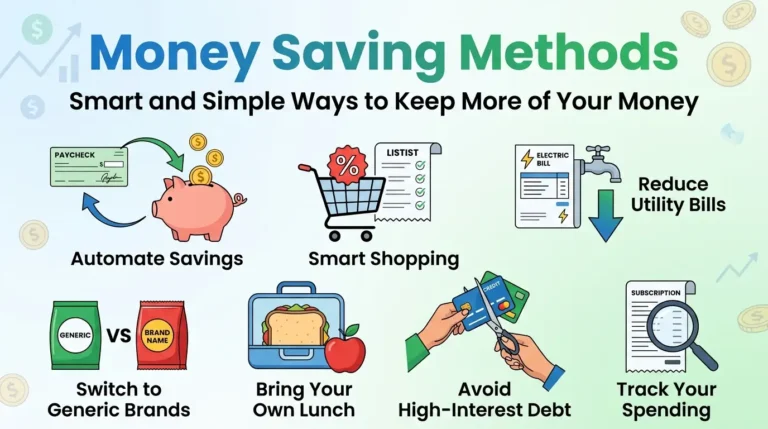
“Save Money Challenge”
Set aside a small amount of money each day. The exact amount matters less than developing the habit of saving consistently.
“No-Spend Challenge”
Avoid unnecessary purchases for 30 days. Continue paying for genuine necessities while eliminating impulse shopping and unnecessary spending.
“Track Your Expenses Challenge”
Record every purchase you make for 30 days. Seeing where your money actually goes can reveal spending habits you might otherwise overlook.
“Cook at Home Challenge”
Prepare more meals at home for an entire month. Experiment with simple recipes and discover inexpensive meals you genuinely enjoy.
“New Recipe Challenge”
Try preparing a different recipe each day or several times each week. This can make healthy eating more interesting and help you develop cooking skills.
“Fruit and Vegetable Challenge”
Add more fruits and vegetables to your daily meals. Experiment with different varieties, colors, textures, and preparation methods.
“Mindful Eating Challenge”
Eat without rushing and pay attention to the taste, texture, smell, and appearance of your food. Try to recognize when you’re comfortably satisfied.
“No Late-Night Snacking Challenge”
Create a consistent evening eating routine and avoid unnecessary late-night snacks for 30 days.
“Daily Meditation Challenge”
Spend five to ten minutes practicing meditation each day. Focus on your breathing and gently bring your attention back whenever your mind wanders.
“Deep Breathing Challenge”
Practice several slow, intentional breaths every day. Use this simple habit whenever you feel overwhelmed or need a moment to reset.
“Five-Minute Silence Challenge”
Spend five minutes each day sitting quietly without entertainment or distractions. Let your mind slow down instead of immediately reaching for your phone.
“Self-Care Challenge”
Do one intentional thing for yourself every day. Self-care could involve taking a bath, reading, walking, resting, creating something, or enjoying a hobby.
“Positive Affirmation Challenge”
Choose a realistic positive affirmation and repeat it each day. Focus on statements that encourage confidence, patience, resilience, and personal growth.
“Confidence Challenge”
Do one small thing every day that pushes you slightly outside your comfort zone. Confidence often develops through action rather than waiting until you feel ready.
“Speak Up Challenge”
Practice expressing your opinions respectfully instead of automatically staying silent. Start with small conversations and gradually become more comfortable communicating clearly.
“Eye Contact Challenge”
Practice making comfortable eye contact during conversations. Combine it with active listening so people know you are genuinely engaged.
“Communication Challenge”
Spend 30 days becoming more intentional with your communication. Listen carefully, avoid unnecessary assumptions, and think before responding.
“Call a Friend Challenge”
Contact one friend or loved one each day. A short conversation can strengthen relationships and remind you to stay connected.
“Family Time Challenge”
Spend intentional time with your family every day. Even a short conversation, shared meal, or walk can create meaningful moments.
“Make Someone Laugh Challenge”
Try to make someone laugh or smile each day. Share a funny story, send a humorous message, or simply bring some playful energy into a conversation.
“Reconnect Challenge”
Reach out to someone you haven’t spoken to in a while. A simple message can reopen a valuable connection.
“Listening Challenge”
For 30 days, practice listening without interrupting or immediately preparing your response. Give people your full attention when they speak.
“Learn a Language Challenge”
Spend a few minutes every day learning a new language. Practice vocabulary, pronunciation, listening, or simple conversations.
“Learn a Skill Challenge”
Choose one useful skill and practice it daily for 30 days. The skill could involve cooking, writing, photography, design, coding, music, or anything else that interests you.
“Creative Writing Challenge”
Write something every day. It could be a short story, paragraph, poem, observation, or fictional scene. The goal is to keep your creativity moving.
“Drawing Challenge”
Draw something every day for 30 days. Don’t worry about creating perfect artwork. Focus on practicing and experimenting.
“Photography Challenge”
Take one interesting photograph each day. Look for unusual perspectives, lighting, textures, people, nature, or everyday objects.
“Music Practice Challenge”
Practice an instrument or musical skill every day. Even a short session can build familiarity and discipline.
“Learn to Cook Challenge”
Use the month to master basic cooking techniques. Start with simple dishes and gradually increase the difficulty.
“Read the News Mindfully Challenge”
Spend a limited amount of time learning about current events from reliable sources instead of constantly consuming headlines.
“Learn Something New Challenge”
Discover one new fact, concept, historical event, or useful idea each day. At the end of the month, you’ll have explored 30 new subjects.
“Study Challenge”
Set aside a specific amount of focused study time every day. Keep distractions away and concentrate on one meaningful academic goal.
“Homework First Challenge”
Complete important schoolwork before entertainment whenever possible. Finishing responsibilities first can make your free time more enjoyable.
“Focus Challenge”
Choose one distraction-free period each day for concentrated work. Start small and gradually increase the amount of focused time.
“Productivity Challenge”
Choose your most important task each morning and complete it before moving on to less important activities.
“To-Do List Challenge”
Create a realistic daily task list. Keep it short enough to be achievable rather than filling it with dozens of unrealistic goals.
“Plan Tomorrow Challenge”
Spend a few minutes each evening deciding what needs to happen the following day. Preparing ahead can make mornings less stressful.
“One Task at a Time Challenge”
Avoid constantly switching between tasks. Give your attention to one activity before moving to the next.
“Procrastination Challenge”
Identify one task you’ve been avoiding and work on it every day. Even five minutes of progress can weaken the habit of procrastination.
“Five-Minute Rule Challenge”
Whenever something feels overwhelming, commit to doing it for just five minutes. Starting is often harder than continuing.
“Morning Walk Challenge”
Begin each morning with a short walk. Use the time to wake up gradually, get some movement, and prepare mentally for the day.
“Nature Challenge”
Spend some time outdoors every day. Visit a park, sit under a tree, walk through your neighborhood, or simply observe the sky.
“Sunrise Challenge”
Wake up early enough to experience the sunrise whenever practical. Use the quiet moment to reflect and start the day intentionally.
“Sunset Challenge”
Take a few minutes to watch the sunset or enjoy the changing evening light. This can become a simple daily reminder to slow down.
“Outdoor Adventure Challenge”
Explore a new outdoor location during the month. It could be a trail, park, beach, garden, or other safe public space.
“No Complaining Challenge”
For 30 days, become more aware of unnecessary complaining. When you catch yourself complaining about something, try replacing it with a constructive action.
“Patience Challenge”
Practice responding calmly when things don’t happen as quickly as you want. Use frustrating situations as opportunities to develop patience.
“Forgiveness Challenge”
Spend time processing old frustrations and considering what forgiveness means to you. Forgiveness doesn’t require forgetting or accepting harmful behavior.
“Let Go Challenge”
Identify one unnecessary worry, expectation, or habit that you can release. Focus on what you can actually control.
“Self-Love Challenge”
Practice treating yourself with the same patience and kindness you would offer someone you care about.
“Mirror Confidence Challenge”
Look in the mirror each morning and say one genuine positive thing about yourself. Focus on qualities, effort, values, or progress rather than appearance alone.
“Comparison-Free Challenge”
Whenever you catch yourself comparing your life with someone else’s, redirect your attention toward your own progress.
“Celebrate Small Wins Challenge”
Write down one small accomplishment every day. Progress becomes easier to recognize when you intentionally look for it.
“Failure Learning Challenge”
At the end of each day, identify one mistake or setback and write down what it taught you. This transforms mistakes into useful information.
“Courage Challenge”
Take one small courageous action every day. Speak honestly, try something unfamiliar, ask a question, or take a step toward something you’ve been avoiding.
“Comfort Zone Challenge”
Do something slightly uncomfortable each day. The purpose isn’t to create unnecessary stress but to become more comfortable with healthy challenges.
“Dream Goal Challenge”
Choose one meaningful goal and spend at least a few minutes working toward it every day. Small steps become powerful when repeated.
“Vision Board Challenge”
Spend the month creating and refining a vision board representing goals, experiences, values, and aspirations you want to pursue.
“Goal Tracking Challenge”
Write down your main goal and track your progress daily. Seeing improvement can make it easier to stay motivated.
“Habit Tracker Challenge”
Track one habit for 30 days. Mark each successful day and look for patterns that help or interfere with consistency.
“Wake-and-Move Challenge”
Move your body shortly after waking up. A few stretches, squats, or a short walk can help you begin the day actively.
“Posture Challenge”
Become more aware of your posture throughout the day. When you notice yourself slouching, gently adjust your position.
“Screen-Free Hour Challenge”
Choose one hour each day to stay away from unnecessary screens. Fill that time with reading, conversation, exercise, hobbies, or relaxation.
“Declutter Your Phone Challenge”
Remove unused apps, old screenshots, unnecessary files, and digital clutter. A cleaner phone can make your digital environment feel less chaotic.
“Inbox Zero Challenge”
Spend a few minutes each day organizing your email inbox. Delete unnecessary messages, archive old emails, and handle important messages.
“Digital Organization Challenge”
Create organized folders for important digital files and remove duplicates or unnecessary documents.
“Gratitude Letter Challenge”
Write a short gratitude message to someone who has positively influenced your life. You don’t have to send every letter; writing it can still be meaningful.
“Random Kindness Challenge”
Do something unexpectedly kind for someone each day without expecting anything in return.
“Compliment Yourself Challenge”
Write down one thing you appreciate about yourself each day. Over time, this can help you notice qualities that you often overlook.
“Positive Environment Challenge”
Spend more time around people, places, and activities that encourage healthy growth. Reduce exposure to unnecessary negativity whenever possible.
“Personal Growth Challenge”
Choose one area of your life that you want to improve and spend 30 days taking small, consistent steps toward it.
“Become 1% Better Challenge”
Ask yourself each day, “What small improvement can I make today?” It might be learning something, fixing a mistake, exercising, organizing, or practicing a useful skill.
How to Successfully Complete a 30 Day Challenge
The biggest mistake people make with 30 day challenges is starting too aggressively. If your new routine requires an hour every day, you may lose motivation after several days. Instead, make the habit easy enough that you can realistically maintain it.
Choose one challenge that genuinely matters to you. Write down why you want to complete it and keep that reason visible. When motivation disappears, your reason can help you continue.
It’s also important to track your progress. A calendar, notebook, habit-tracking app, or simple checklist can show you how consistently you’re following your challenge.
Don’t expect perfection. Missing one day doesn’t mean you’ve failed. Simply return to the challenge the next day. The goal is to develop consistency, not create an impossible standard.