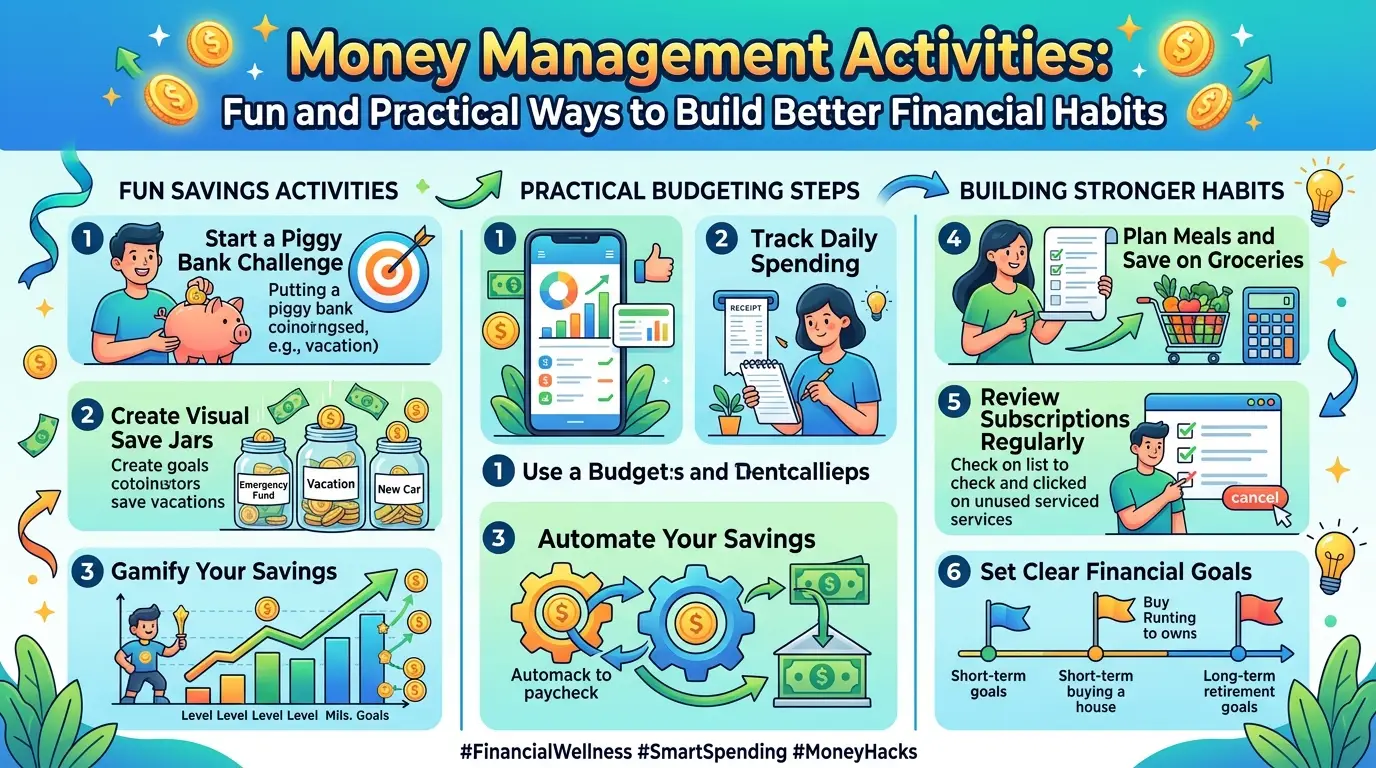
Money Management Activities: Fun and Practical Ways to Build Better Financial Habits
Managing money is one of the most valuable life skills anyone can learn. Whether you are a student, young adult, parent, or professional, developing strong financial habits can help you make smarter decisions, reduce stress, and create a more secure future. These “99 Money Management Activities” are designed to make learning about budgeting, saving, spending, investing, and financial responsibility more enjoyable and practical.
Money management activities are not just about counting dollars or tracking expenses. They are about building awareness, developing confidence, and understanding how everyday choices affect your financial goals. By turning financial education into interactive activities, you can transform money management from a difficult subject into an exciting personal growth journey.
From creating a simple budget plan to exploring savings challenges, these 99 money management activities provide creative ways to improve financial literacy and develop lifelong habits. Whether you are teaching children about money or improving your own financial skills, these activities can help you become more organized and confident with your finances.
Why Money Management Activities Are Important
Money management activities help people understand the connection between income, expenses, saving, and future goals. Many financial problems happen because people never learn practical money skills. Learning through activities makes financial concepts easier to understand because it turns theories into real-life experiences.
Good money management activities can teach important skills such as:
- Creating and following a budget
- Understanding needs versus wants
- Building emergency savings
- Setting financial goals
- Avoiding unnecessary spending
- Making smart purchasing decisions
- Learning about investments
- Developing responsible financial habits
Financial literacy is not something people learn overnight. It requires practice, patience, and consistent effort. These activities provide simple ways to make financial learning enjoyable and effective.
99 Money Management Activities To Improve Financial Skills
“Creating a Personal Budget Plan”
Creating a personal budget is one of the most important money management activities. Write down your monthly income, fixed expenses, variable expenses, savings goals, and spending habits. A budget helps you understand where your money goes and allows you to make better financial decisions.
“Tracking Daily Expenses”
Expense tracking is a powerful activity that increases financial awareness. Record every purchase you make for a week or month, including small expenses like coffee, snacks, and online purchases. Reviewing your spending patterns can reveal opportunities to save more money.
“Separating Needs and Wants”
This activity teaches the difference between essential expenses and unnecessary spending. Create two lists: things you need to survive and things you want for enjoyment. Learning this difference helps prevent impulsive purchases.
“Creating a Savings Goal Jar”
A savings goal jar makes saving money more visual and motivating. Choose a goal, write it on the jar, and regularly add money until you reach your target. This simple activity helps develop patience and discipline.
“Building a Weekly Money Plan”
A weekly money plan helps organize short-term finances. Decide how much money you will spend, save, and use for personal activities during the week. Planning ahead prevents overspending.
“Making a No-Spend Challenge”
A no-spend challenge is a fun way to improve money management skills. Choose a day, weekend, or month where you avoid unnecessary purchases. Use this activity to discover creative ways to enjoy life without spending money.
“Comparing Shopping Prices”
Price comparison is an excellent financial activity that teaches smart shopping habits. Before buying something, compare prices from different stores or websites. This helps you find better deals and avoid overpaying.
“Creating a Monthly Expense Calendar”
An expense calendar allows you to visualize upcoming bills and financial responsibilities. Mark payment dates, subscriptions, and expected expenses. This activity helps prevent missed payments and improves organization.
“Designing a Money Vision Board”
A money vision board connects financial goals with motivation. Add pictures, quotes, and goals related to saving, investing, traveling, or buying important items. Seeing your goals regularly can encourage better financial choices.
“Learning About Different Types of Savings Accounts”
Understanding savings accounts is an important money management activity. Research different account options and learn how interest, fees, and features work. This helps you choose better places to store your money.
“Creating a Financial Goals List”
Write down short-term, medium-term, and long-term financial goals. Examples include saving for a vacation, paying off debt, or building retirement savings. Clear goals make money management easier.
“Calculating Monthly Savings”
Practice calculating how much money you can save each month. Review your income and expenses to find realistic savings opportunities. This activity helps build financial planning skills.
“Making a Spending Diary”
A spending diary records your daily financial choices. Write what you purchased, why you bought it, and how you felt afterward. This helps identify emotional spending patterns.
“Creating a Simple Budget Spreadsheet”
A budget spreadsheet organizes financial information in one place. Include categories for income, bills, groceries, entertainment, and savings. This activity improves budgeting confidence.
“Learning the 50/30/20 Budget Rule”
The 50/30/20 budget activity teaches a simple way to divide money. The idea is to use portions of income for needs, wants, and savings. Practicing this method can improve financial balance.
“Planning a Grocery Budget”
Creating a grocery budget teaches smart spending habits. Plan meals, create shopping lists, and estimate costs before visiting the store. This reduces food waste and unnecessary purchases.
“Creating a Coupon Challenge”
A coupon challenge encourages people to search for discounts before shopping. Find coupons, compare deals, and calculate how much money you save. This activity makes saving feel rewarding.
“Reviewing Subscription Expenses”
Many people spend money on unused subscriptions. Review your monthly subscriptions and decide which services provide real value. Canceling unnecessary subscriptions can improve your budget.
“Learning Basic Investment Terms”
Understanding investment vocabulary is an important financial activity. Learn terms like stocks, bonds, dividends, mutual funds, and interest rates. Financial knowledge helps you make informed decisions.
“Creating an Emergency Fund Plan”
An emergency fund protects you from unexpected expenses. Create a plan to save a small amount regularly until you build a financial safety cushion.
“Playing a Budgeting Game”
Budgeting games make financial education entertaining. Use board games, online games, or homemade challenges to practice making financial decisions.
“Setting a Money Challenge”
Choose a financial challenge such as saving a certain amount each week or reducing spending in a specific category. Challenges create motivation and measurable progress.
“Learning About Credit Scores”
Understanding credit scores is an important money management activity. Research how credit scores work, what affects them, and why maintaining good credit matters.
“Creating a Debt Repayment Plan”
Make a list of debts and create a repayment strategy. This activity helps organize payments and develop a realistic path toward becoming debt-free.
“Practicing Smart Shopping Decisions”
Before purchasing something, ask yourself questions like “Do I need this?” or “Will this purchase help my goals?” This activity builds mindful spending habits.
“Making a Financial Bucket List”
Create a list of financial dreams and goals you want to achieve. Include experiences, purchases, and achievements that matter to you.
“Calculating Savings Growth”
Use simple calculations to understand how saving regularly can grow over time. This activity shows the power of consistency and patience.
“Creating a Family Budget Meeting”
A family budget meeting encourages everyone to discuss financial goals. Talk about saving, spending, and planning together.
“Learning About Online Banking”
Explore online banking features such as transfers, automatic payments, and budgeting tools. Understanding digital banking improves financial management skills.
“Organizing Financial Documents”
Gather important financial documents and organize them properly. This activity improves financial organization and makes future planning easier.
“Creating a Money Management Checklist”
Develop a checklist for monthly financial tasks. Include reviewing expenses, checking savings, paying bills, and updating goals.
“Making a Financial Education Journal”
A financial journal allows you to record lessons, goals, ideas, and progress. Writing about money helps improve awareness and decision-making.
“Practicing Delayed Gratification”
Delayed gratification means waiting before making purchases. Choose something you want and wait before buying it. This builds self-control and thoughtful spending habits.
“Creating a Cash Envelope System”
The cash envelope system divides money into spending categories. Use labeled envelopes for groceries, entertainment, transportation, and savings.
“Planning a Future Purchase”
Choose an expensive item you want and create a savings plan to buy it. This teaches patience and responsible financial planning.
“Learning About Taxes”
Research basic tax concepts and understand how taxes affect income. This activity improves real-world financial knowledge.
“Creating a Money Accountability Partner System”
Work with a friend or family member to share financial goals. Accountability can make it easier to stay motivated.
“Reviewing Financial Mistakes”
Reflect on past money mistakes and identify lessons learned. This activity helps improve future financial decisions.
“Building a Financial Habit Tracker”
Create a tracker for habits such as saving money, tracking expenses, and avoiding unnecessary purchases. Monitoring progress encourages consistency.
“Planning a Low-Cost Weekend”
Design an enjoyable weekend without spending much money. Explore free activities, nature, hobbies, or time with friends.
“Creating a Savings Countdown”
Choose a savings goal and create a countdown showing progress. Watching the goal get closer can increase motivation.
“Learning About Retirement Planning”
Research retirement accounts and long-term financial planning. Starting early can create better opportunities in the future.
“Creating a Money Management Challenge Calendar”
Make a calendar with daily financial activities. Include saving challenges, budgeting tasks, and learning goals.
“Discussing Money Values”
Talk about what money means to you. Understanding personal values helps create financial decisions that match your priorities.
“Creating a Financial Reward System”
Develop healthy rewards for reaching financial goals. Choose rewards that do not damage your budget.
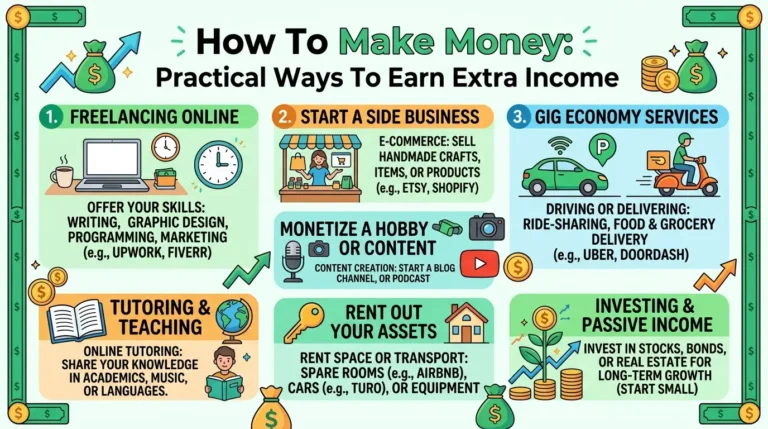
“Learning About Passive Income”
Research different ways people create additional income streams. Understanding passive income expands financial knowledge.
“Making a Personal Finance Quiz”
Create questions about budgeting, saving, and investing. Testing your knowledge makes learning interactive.
“Planning a Financial Reset Day”
Choose a day to review your entire financial situation. Update budgets, organize documents, and set new goals.
“Creating a Money Saving Competition”
A money saving competition can make financial improvement more exciting. Challenge yourself, friends, or family members to save a specific amount within a certain time period. This activity encourages creativity and helps participants discover new ways to reduce expenses.
“Reviewing Your Financial Progress”
Regular financial reviews help you understand how much progress you are making. Look at your savings, spending habits, and financial goals. This activity allows you to celebrate achievements and identify areas that need improvement.
“Creating a Financial Action Plan”
A financial action plan turns goals into realistic steps. Write down what you want to achieve, the actions required, and the timeline for completing each step. This activity helps transform financial dreams into achievable results.
“Learning About Compound Interest”
Understanding compound interest is an important money management activity. Explore how money can grow over time when earnings are added back into savings or investments. Learning this concept helps people appreciate the value of starting early.
“Making a Budget-Friendly Meal Plan”
Food expenses can have a major impact on your budget. Create a weekly meal plan, prepare a shopping list, and estimate costs before buying groceries. This activity teaches planning and helps reduce unnecessary spending.
“Creating a Financial Bucket List”
A financial bucket list combines money goals with personal dreams. Write down experiences, purchases, and achievements you want to accomplish in the future. Then create savings plans for each goal.
“Practicing Mindful Spending”
Mindful spending means thinking carefully before making purchases. Before buying something, consider whether it supports your goals or creates unnecessary expenses. This activity develops stronger spending awareness.
“Learning About Financial Scams”
Understanding common financial scams protects your money. Research fake investments, online scams, phishing attempts, and misleading offers. This activity improves financial safety and awareness.
“Creating a Future Self Budget”
Imagine your future lifestyle and create a budget based on those goals. Think about housing, transportation, hobbies, travel, and savings. This activity connects current decisions with future dreams.
“Organizing a Financial Workshop”
Organize a small financial learning session with friends or family. Share budgeting tips, saving strategies, and personal experiences. Teaching others can strengthen your own financial knowledge.
“Creating a Money Management Checklist”
A money management checklist helps maintain good financial habits. Include tasks such as checking accounts, reviewing expenses, saving money, and planning upcoming purchases.
“Tracking Your Savings Milestones”
Celebrate progress by tracking savings milestones. Create checkpoints for different amounts saved and reward yourself when you reach each stage responsibly.
“Learning About Different Investment Options”
Research various investment choices and understand how they work. Learn about risk, returns, and long-term growth. This activity builds confidence in making future financial decisions.
“Creating a Financial Emergency List”
Prepare a list of unexpected expenses that could affect your finances. Include medical costs, repairs, job changes, and other emergencies. This activity encourages better preparation.
“Planning a Financially Smart Vacation”
Plan a dream vacation while staying within a budget. Research transportation, accommodation, food, and activities. This activity teaches how to enjoy experiences without creating financial stress.
“Making a Personal Spending Audit”
A spending audit reviews where your money has gone. Examine recent purchases and categorize them. This activity helps identify habits that may need adjustment.
“Creating a Debt Awareness Chart”
Make a chart showing current debts, payment amounts, and deadlines. Seeing your financial responsibilities clearly can motivate you to create repayment strategies.
“Learning About Insurance”
Research different types of insurance, such as health, auto, home, and life insurance. Understanding protection options is an important part of responsible money management.
“Creating a Financial Inspiration Board”
Collect quotes, pictures, and ideas that motivate you financially. A financial inspiration board can remind you why saving and planning matter.
“Practicing Financial Decision Making”
Create imaginary financial situations and decide what you would do. For example, decide how you would handle unexpected expenses or a large purchase. This activity improves problem-solving skills.
“Building a One-Year Money Goal Plan”
Create financial goals for the next twelve months. Include saving targets, spending improvements, and learning goals. A yearly plan creates direction and motivation.
“Creating a Family Savings Challenge”
Families can work together toward a shared savings goal. Choose an amount, track progress, and celebrate success together. This activity teaches teamwork and financial responsibility.
“Learning About Bank Fees”
Research common banking fees and how to avoid them. Understanding account charges can help you keep more of your money.
“Creating a Financial Success Journal”
Record financial achievements, lessons, and improvements in a journal. Writing down progress helps maintain motivation and confidence.
“Practicing Grocery Shopping With a Budget”
Take a specific amount of money and plan a grocery trip within that limit. This activity improves planning skills and encourages smart purchasing decisions.
“Creating a Money Management Vision Statement”
Write a personal statement describing your financial goals and values. A vision statement helps guide future choices.
“Learning About Financial Independence”
Research what financial independence means and how people achieve it. This activity encourages long-term thinking about income, saving, and lifestyle choices.
“Making a Monthly Money Review”
At the end of each month, review your financial activity. Look at spending, saving, and progress toward goals. Regular reviews help create better habits.
“Creating a Smart Shopping Checklist”
Before shopping, create a checklist that includes your budget, needs, and priorities. This prevents emotional purchases and encourages thoughtful decisions.
“Exploring Career Income Options”
Research different careers, skills, and income opportunities. Understanding earning potential can help with future financial planning.
“Creating a Financial Responsibility Chart”
Make a chart showing your financial responsibilities. Include bills, savings goals, and important tasks. This activity improves organization.
“Learning About Inflation”
Understand how inflation affects prices and purchasing power. This activity helps explain why saving and investing are important.
“Creating a Money Management Routine”
Develop a regular routine for handling finances. Set aside time each week to check spending, update budgets, and review goals.
“Practicing Saving Before Spending”
Make saving your first priority whenever you receive money. This activity teaches the habit of paying yourself first.
“Creating a Financial Learning Challenge”
Choose one financial topic to learn about each week. Topics can include budgeting, investing, taxes, or saving strategies.
“Making a Wish List Instead of Impulse Buying”
Create a wish list for items you want instead of buying immediately. Wait and review the list later to decide what is truly important.
“Learning About Financial Freedom”
Explore the habits and decisions that help people achieve financial freedom. This activity encourages long-term planning and responsible choices.
“Creating a Money Management Reward Chart”
Track successful financial habits with a reward chart. Celebrate consistency rather than only focusing on large achievements.
“Planning a Charity Budget”
Include giving in your financial plan. Decide how much you can donate or contribute to causes you care about.
“Creating a Financial Knowledge Game”
Turn financial learning into a game by creating questions and challenges about money topics.
“Learning From Financial Experts”
Read books, watch educational videos, or listen to podcasts about personal finance. Learning from experts can improve your understanding of money management.
“Creating a Personal Money Rulebook”
Write your own rules for handling money. Include spending limits, saving habits, and financial priorities.
“Making a Financial Progress Report”
Create a report showing your improvements over time. Include savings growth, reduced spending, and completed goals.
“Practicing Goal-Based Saving”
Connect every savings goal with a specific purpose. Knowing why you are saving can make the process more meaningful.
“Creating a Monthly Financial Challenge”
Choose one financial improvement challenge each month. Examples include reducing entertainment expenses, increasing savings, or learning a new financial skill.
“Learning About Smart Borrowing”
Understand when borrowing money may be helpful and when it can create problems. This activity teaches responsible credit use.
“Creating a Money Management Family Game Night”
Combine entertainment and education by creating financial games for family members. This makes money conversations more comfortable and enjoyable.
“Reviewing Your Financial Habits”
Take time to examine your daily money habits. Identify what works well and what changes could improve your financial future.
“Creating a Financial Reflection Activity”
A financial reflection activity helps you understand your relationship with money. Take time to think about your spending habits, saving progress, financial goals, and lessons learned. Reflecting on your journey allows you to recognize improvements and make better decisions in the future.
“Building a Long-Term Wealth Plan”
Creating a long-term wealth plan is one of the most valuable money management activities. Think about your future goals, including saving, investing, career growth, and financial security. Write down the steps needed to build lasting financial stability.
“Teaching Someone Else About Money Management”
Teaching others is a powerful way to strengthen your own financial knowledge. Share budgeting tips, saving strategies, and smart spending habits with friends or family members. Explaining financial concepts can improve your confidence and understanding.
“Creating a Personal Financial Success Celebration”
Celebrate your financial achievements by recognizing your progress. Whether you reached a savings goal, reduced unnecessary spending, or improved your budgeting skills, take time to appreciate your efforts. Celebrating milestones keeps you motivated to continue building strong money management habits.