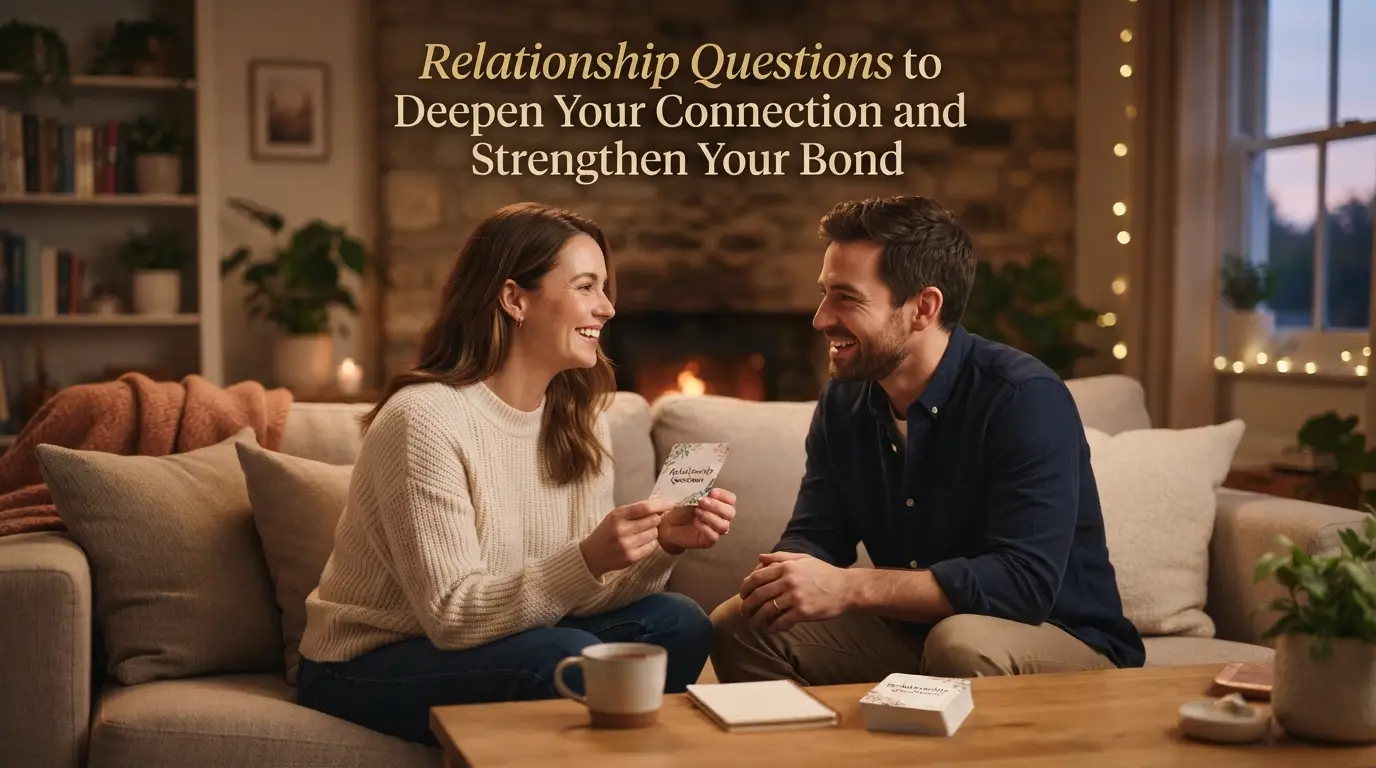
Relationship Questions to Deepen Your Connection and Strengthen Your Bond
Relationships grow through communication, curiosity, honesty, and the willingness to understand each other on a deeper level. Whether you are newly dating, in a serious relationship, married, or simply trying to strengthen an existing connection, asking the right relationship questions can open conversations that might otherwise never happen. The best relationship questions are not about filling silence—they are about discovering values, dreams, emotions, expectations, and the little details that make your partner unique.
Sometimes, couples get comfortable with everyday routines and stop asking meaningful questions. You may know what your partner likes to eat, what show they enjoy, or what time they usually go to bed, but there can still be so much left to discover. These 99 relationship questions can help you move beyond small talk and create conversations that feel more personal, thoughtful, and genuine.
Why Asking Relationship Questions Matters
Healthy communication is one of the foundations of a strong relationship. Asking relationship questions gives both partners an opportunity to share thoughts without waiting for a disagreement or major life event to bring them up.
Good questions can also reveal similarities and differences. You might discover that you share the same long-term dreams, while another conversation may reveal completely different ideas about money, family, travel, or personal space. These differences do not automatically create problems. In many cases, understanding them early can make it easier to respect each other’s perspectives.
The goal is not to interrogate your partner. Instead, think of these questions as conversation starters. Let the discussion develop naturally, listen carefully, and be willing to answer the same questions yourself.
Relationship Questions About Getting to Know Each Other
“What’s something about yourself that you wish more people understood?”
“What’s one childhood memory that still makes you smile?”
“What makes you feel most comfortable around someone?”
“What is something you have always wanted to learn?”
“What kind of experiences make you feel truly alive?”
“What’s one thing you think has changed about you over the past few years?”
“What personal quality are you most proud of?”
“What is something small that can instantly improve your mood?”
“Who has had the biggest positive influence on your life?”
“What is something you would like to accomplish that you haven’t done yet?”
These relationship questions can help partners understand the experiences and personalities behind the person they see every day. They encourage stories rather than simple yes-or-no answers, making them especially useful during relaxed conversations.
Relationship Questions About Love and Romance
“What does being in love mean to you?”
“When do you feel most loved by me?”
“What was your first impression of me?”
“What made you realize that you cared about me?”
“What is your favorite memory of us together?”
“What romantic gesture means the most to you?”
“What makes a relationship feel special to you?”
“How do you usually show someone that you love them?”
“What is one thing I do that makes you feel appreciated?”
“What would your ideal romantic date look like?”
Romantic relationship questions can help couples understand how each person experiences affection. Not everyone expresses love in the same way. One person might appreciate affectionate words, while another may value thoughtful actions or quality time.
Relationship Questions About Communication
“How do you prefer to talk about something that is bothering you?”
“What makes you feel heard during a difficult conversation?”
“Is there anything I could do to communicate with you better?”
“How do you usually react when you feel misunderstood?”
“Do you prefer to solve disagreements immediately or take some time first?”
“What makes it easier for you to open up emotionally?”
“How can we make difficult conversations feel safer for both of us?”
“What is something you wish people understood about the way you communicate?”
“How do you know when someone is genuinely listening to you?”
“What can I do when you’re having a difficult day?”
Communication relationship questions are particularly valuable because communication styles can vary dramatically. One partner may want to discuss everything immediately, while the other may need time to think. Talking about these preferences outside of an argument can make future disagreements easier to handle.
Relationship Questions About Trust
“What does trust mean to you in a relationship?”
“What makes you feel secure with your partner?”
“Is there anything that can quickly damage your trust in someone?”
“How do you think couples should rebuild trust after a mistake?”
“What does honesty look like to you?”
“Are there situations where you think personal privacy is important in a relationship?”
“How can we make each other feel more emotionally secure?”
“What makes you feel confident that your partner has your back?”
“How important is keeping promises to you?”
“What is one thing we can do to strengthen our trust?”
Trust is built through consistent behavior over time. These relationship questions can help couples discuss expectations before misunderstandings become larger issues.
Relationship Questions About the Future
“Where do you see yourself a few years from now?”
“What kind of life would make you genuinely happy?”
“What are your biggest goals for the future?”
“Where would you love to live someday?”
“What does your dream home look like?”
“How important is career success to your future plans?”
“What kind of lifestyle do you want to have?”
“What experiences do you hope we can share together?”
“What does a successful long-term relationship look like to you?”
“What is one dream you would love for us to accomplish together?”
Future-focused relationship questions are useful for couples who want to understand whether their long-term visions align. You do not need identical plans, but knowing what matters to each person can make future decisions more intentional.
Relationship Questions About Family
“How would you describe your relationship with your family?”
“What family tradition means the most to you?”
“What did your childhood teach you about relationships?”
“What kind of family environment would you like to create someday?”
“How involved do you want extended family to be in your life?”
“What is something you learned from your parents about love?”
“Is there a family tradition you would like to continue?”
“How do you think couples should handle disagreements involving family members?”
“What role should family play in major relationship decisions?”
“What is one thing you would want your future family to experience?”
Family can influence expectations, habits, communication styles, and ideas about commitment. Discussing family-related topics can therefore provide important insight into how each partner views relationships.
Relationship Questions About Emotional Connection
“When do you feel closest to me?”
“What helps you feel emotionally connected to someone?”
“Is there something you have been afraid to tell me?”
“What makes you feel emotionally safe?”
“How do you usually handle difficult emotions?”
“What kind of support do you need when you feel overwhelmed?”
“What is one emotional need you think people often overlook?”
“How can we make more time for meaningful conversations?”
“What makes you feel valued in a relationship?”
“What is something you wish we did more often together?”
Emotional connection often develops through small moments rather than dramatic gestures. These relationship questions can encourage partners to talk about feelings that may otherwise remain unspoken.
Relationship Questions About Conflict
“What’s the biggest lesson you have learned from a past disagreement?”
“How do you think couples should handle arguments?”
“What makes an argument feel productive instead of destructive?”
“How can we disagree without disrespecting each other?”
“What should we never say to each other during an argument?”
“How do you know when it’s time to take a break from a difficult conversation?”
“What’s the best way to apologize to you?”
“What does forgiveness mean to you?”
“How should we handle situations where neither person agrees?”
“What can we learn from our disagreements?”
Conflict is a normal part of many relationships. The important part is how partners respond to conflict. Asking relationship questions about disagreements can help couples create healthier communication habits before tensions become overwhelming.
Relationship Questions About Personal Growth
“What is one area of your life you want to improve?”
“What motivates you when you’re struggling?”
“How can I support your personal goals?”
“What is something you want to become better at?”
“What habit would you like to develop?”
“What is one fear you would like to overcome?”
“How do you define personal success?”
“What does becoming a better version of yourself mean to you?”
“How do you want to grow as a partner?”
“What is something you want to accomplish for yourself?”
A healthy relationship should leave room for individual growth. Partners can encourage one another while still maintaining their own identities, interests, friendships, and ambitions.
Relationship Questions About Fun and Everyday Life
“What is your idea of a perfect lazy day?”
“What activity could we do together every weekend?”
“What is something silly that always makes you laugh?”
“What would you do if we had an entire day with no responsibilities?”
“What’s one place you’d love for us to visit?”
“What is your favorite way to spend a quiet evening together?”
“What new hobby would you like us to try?”
“What is your favorite memory of us having fun?”
“What spontaneous thing would you like us to do together?”
“What would your perfect weekend with me look like?”
Not every relationship conversation needs to be serious. Fun relationship questions can create laughter, spontaneity, and shared memories. Sometimes a playful question can lead to a conversation that lasts much longer than expected.
Relationship Questions About Boundaries
“What does personal space mean to you?”
“How much alone time do you need?”
“What boundaries are especially important to you?”
“How should we handle situations where one of us needs space?”
“What behavior would make you feel uncomfortable in a relationship?”
“How do you feel about sharing personal information with friends?”
“What does healthy independence look like to you?”
“How should couples respect each other’s friendships?”
“What boundaries should we have around social media?”
“How can we make sure both of us feel respected?”
Boundaries are not necessarily signs of emotional distance. Healthy boundaries can actually make relationships feel safer because both partners understand what is comfortable and what is not.
Relationship Questions About Appreciation
“What is something about me that you appreciate?”
“What is one thing I do that makes your life easier?”
“What is your favorite quality in me?”
“When have you felt especially proud of us?”
“What is one thing you think we do well as a couple?”
“What little thing I do always makes you smile?”
“What is one memory of us that you never want to forget?”
“What do you think makes our relationship unique?”
“What is something you would like to thank me for?”
“What is one thing you hope we always continue doing?”
Appreciation can easily disappear into everyday routines. Asking relationship questions about gratitude gives couples a chance to recognize qualities and behaviors they may have started taking for granted.
How to Use These Relationship Questions
You do not have to ask all these relationship questions in one conversation. In fact, trying to go through the entire list at once could make the conversation feel forced. Instead, choose a few questions that fit the moment.
You might ask one during a quiet evening, use several as date night conversation starters, or send one to your partner over text. Some questions may lead to funny stories, while others may create deeper emotional conversations.
The most important part is to listen. Don’t immediately prepare your own response while your partner is talking. Give them room to explain their thoughts, ask follow-up questions, and share your perspective when it feels natural.