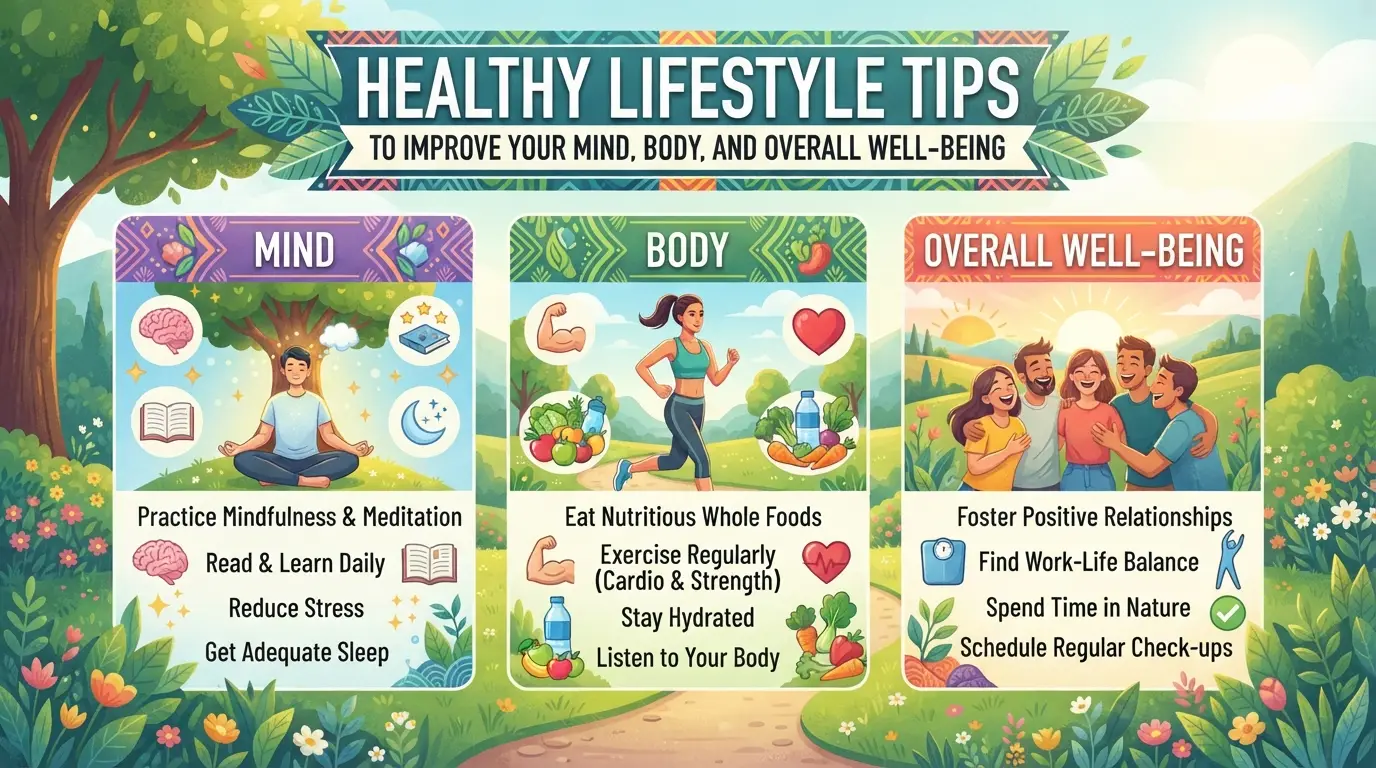
Healthy Lifestyle Tips to Improve Your Mind, Body, and Overall Well-Being
A healthy lifestyle is about making small, positive choices that help you feel better, stay active, and enjoy life to the fullest. You do not need to follow a strict diet, spend hours at the gym, or completely change your daily routine to become healthier. Simple habits, such as drinking enough water, eating nutritious foods, getting quality sleep, and managing stress, can make a meaningful difference over time.
Whether you want to improve your physical fitness, support your mental well-being, build better routines, or feel more energetic throughout the day, these 129 healthy lifestyle tips can help you get started. The key is consistency rather than perfection. By choosing habits that fit your needs and daily schedule, you can create a balanced lifestyle that supports your long-term health.
Healthy Lifestyle Tips for Better Daily Habits
A healthy lifestyle begins with the small decisions you make every day. Your morning routine, eating habits, activity level, and bedtime schedule all influence how you feel. Building healthy habits gradually makes it easier to maintain them without feeling overwhelmed.
Start Your Morning With a Healthy Routine
Beginning your morning with a calm and organized routine can set a positive tone for the rest of the day. Give yourself enough time to wake up, drink water, stretch, and prepare for your responsibilities. Avoid rushing immediately into work or checking social media before you have had a chance to focus on yourself.
Drink Water Throughout the Day
Staying hydrated supports digestion, circulation, temperature regulation, and normal body functions. Keep a reusable water bottle nearby and drink regularly, especially when exercising or spending time in hot weather. Your hydration needs depend on your activity level, climate, and overall health.
Eat Breakfast That Keeps You Satisfied
A balanced breakfast can provide energy and help you meet your nutritional needs. Consider foods such as oatmeal, eggs, yogurt, fruit, whole-grain toast, or nuts. Choose combinations that include protein, fiber, and other essential nutrients instead of relying entirely on sugary snacks.
Create a Consistent Daily Schedule
A predictable routine can make healthy choices easier. Set regular times for meals, exercise, work, relaxation, and sleep whenever possible. You do not need to plan every minute of your day, but having a general schedule can reduce stress and help you stay organized.
Spend Time Outdoors Every Day
Fresh air and natural surroundings can provide a welcome break from busy routines. Take a short walk, sit in a garden, or enjoy your morning tea outside. Spending time outdoors can also encourage physical activity and help you feel more connected to your environment.
Practice Gratitude Regularly
Gratitude encourages you to notice the positive aspects of your life, even during challenging periods. Write down a few things you appreciate, such as supportive relationships, personal achievements, or simple everyday comforts. This practice may help you develop a more balanced outlook.
Prepare for Tomorrow the Night Before
Preparing your clothes, meals, work materials, or daily schedule in advance can make mornings less stressful. A little evening preparation helps you avoid unnecessary decisions when you wake up and creates more room for healthy habits.
Healthy Lifestyle Tips for Nutritious Eating
Healthy eating is an essential part of a balanced lifestyle. The goal is not to eliminate every favorite food or follow a restrictive diet. Instead, focus on variety, moderation, and foods that provide the nutrients your body needs.
Eat More Fruits and Vegetables
Fruits and vegetables provide vitamins, minerals, fiber, and other beneficial plant compounds. Include different colors throughout your meals by choosing leafy greens, carrots, berries, oranges, tomatoes, and other seasonal produce. Fresh, frozen, and canned options can all contribute to a nutritious diet.
Choose Whole Grains More Often
Whole grains such as oats, brown rice, whole-wheat bread, and quinoa contain fiber and useful nutrients. Replacing some refined grains with whole-grain alternatives can support digestive health and help you feel satisfied after meals.
Include Protein in Your Meals
Protein supports muscle maintenance, tissue repair, and numerous body functions. Healthy protein sources include beans, lentils, eggs, fish, poultry, tofu, yogurt, and nuts. Eating a variety of protein-rich foods can help you meet your nutritional needs.
Reduce Sugary Drinks
Soft drinks, sweetened teas, energy drinks, and some packaged juices can contain substantial amounts of added sugar. Choose water, sparkling water without added sugar, or unsweetened beverages more often. If you enjoy sweet drinks, gradually reducing their frequency may feel easier than eliminating them immediately.
Practice Mindful Eating
Mindful eating means paying attention to your food, hunger, and fullness. Eat slowly when possible, notice the flavors and textures of your meals, and reduce distractions during mealtimes. This approach can help you recognize your body’s signals and develop a more comfortable relationship with food.
Cook More Meals at Home
Preparing meals at home gives you greater control over ingredients, portion sizes, and cooking methods. Experiment with simple recipes using vegetables, whole grains, healthy fats, and protein sources. Cooking does not need to be complicated to be nutritious.
Plan Your Meals Ahead
Meal planning can reduce last-minute food decisions and make grocery shopping more efficient. Choose a few balanced meals for the week, prepare ingredients in advance, and keep convenient nutritious foods available. Even planning only lunches or dinners can make a difference.
Limit Excessive Salt
Too much sodium can contribute to high blood pressure in some people. Check food labels, compare packaged products, and flavor meals with herbs, spices, garlic, lemon, or vinegar. You can still enjoy flavorful food while being mindful of salt intake.
Enjoy Treats Without Guilt
A healthy lifestyle leaves room for enjoyment. You do not have to avoid desserts, restaurant meals, or your favorite snacks to eat well. Focus on your overall eating pattern rather than judging your health by a single meal.
Healthy Lifestyle Tips for Physical Fitness
Regular physical activity supports heart health, muscle strength, mobility, and emotional well-being. You do not need expensive equipment or a gym membership to become more active. The best exercise routine is one you enjoy and can maintain.
Walk More During the Day
Walking is an accessible way to increase daily movement. Walk during breaks, take the stairs when practical, or explore your neighborhood in the evening. Start with a comfortable distance and gradually increase your activity as your fitness improves.
Find an Exercise You Enjoy
Choose activities that match your interests and abilities, such as dancing, swimming, cycling, gardening, hiking, or playing a sport. Enjoyable exercise feels less like a chore and is often easier to maintain over time.
Include Strength Training in Your Routine
Strength training helps maintain muscle mass, supports bone health, and makes everyday activities easier. You can begin with bodyweight exercises, resistance bands, or manageable weights. Learn proper technique and increase difficulty gradually.
Stretch to Improve Flexibility
Gentle stretching can help maintain flexibility and comfortable movement. Stretch major muscle groups after warming up or during breaks from prolonged sitting. Avoid bouncing or forcing a stretch beyond a comfortable range.
Take Breaks From Sitting
Long periods of sitting can make it difficult to reach recommended activity levels. Stand up regularly, walk around your home or office, or perform a few gentle movements between tasks. Small movement breaks can add up throughout the day.
Set Realistic Fitness Goals
Choose specific, achievable goals rather than expecting immediate transformation. You might begin with a short walk several days a week or practice strength exercises twice weekly. Adjust your goals as your fitness, schedule, and confidence change.
Warm Up Before Exercise
A gradual warm-up prepares your body for more demanding activity. Try walking slowly, moving your arms, or performing gentle movements related to your planned workout. A proper warm-up can help you transition comfortably into exercise.
Allow Time for Recovery
Rest is an important part of physical fitness. Your muscles and body need time to recover after challenging workouts. Alternate demanding sessions with lighter activities, prioritize sleep, and avoid pushing through sharp or unusual pain.
Healthy Lifestyle Tips for Better Mental Health
Mental well-being is just as important as physical health. Everyday responsibilities, financial concerns, relationships, and work pressures can affect your mood and energy. Building healthy emotional habits can help you manage challenges more effectively.
Practice Deep Breathing
Slow, comfortable breathing can help you pause during stressful moments. Breathe gently through your nose, allow your abdomen to expand naturally, and exhale without forcing the breath. Practice for a few minutes when you need to reset your attention.
Make Time for Yourself
Personal time gives you an opportunity to rest and reconnect with your interests. Read a book, listen to music, take a relaxing bath, or enjoy a quiet cup of tea. You do not have to be productive every moment to have a meaningful day.
Learn to Manage Stress
Stress is a normal part of life, but ongoing stress can affect sleep, mood, and physical health. Identify your main stressors and consider practical responses, such as breaking large tasks into smaller steps, asking for help, or taking regular breaks.
Keep a Journal
Writing down your thoughts can help you understand your emotions and recognize recurring patterns. You might record daily experiences, personal goals, worries, or moments of gratitude. Your journal does not need perfect grammar or a particular format.
Set Healthy Boundaries
Healthy boundaries help protect your time, energy, and emotional well-being. Learn to say no to commitments that you cannot reasonably manage, communicate your needs respectfully, and recognize when you need space to recharge.
Spend Time With Supportive People
Positive relationships can provide encouragement, companionship, and a sense of belonging. Make time for people who respect you, listen to your concerns, and support your growth. Meaningful conversations can be more valuable than constant online interaction.
Limit Negative Self-Talk
The way you speak to yourself can influence your confidence and motivation. Replace harsh judgments with realistic, supportive statements. Instead of thinking that you always fail, recognize what you learned and identify one practical step you can take next.
Seek Professional Support When Needed
You do not have to handle every emotional challenge alone. If anxiety, sadness, stress, or other difficulties persist and interfere with everyday life, consider speaking with a qualified mental health professional. Seeking support is a positive step toward well-being.
Healthy Lifestyle Tips for Better Sleep
Quality sleep helps your body recover and supports memory, concentration, mood, and immune function. Adults generally need at least seven hours of sleep per night, although individual needs vary.
Maintain a Regular Sleep Schedule
Going to bed and waking up at approximately the same time each day can support your body’s internal clock. Try to maintain a similar schedule on weekends, too, while allowing flexibility for your personal circumstances.
Create a Relaxing Bedtime Routine
Choose calming activities before bed, such as reading, gentle stretching, or listening to quiet music. A consistent wind-down routine can help you transition from daily responsibilities to rest.
Make Your Bedroom Comfortable
A comfortable sleep environment is generally dark, quiet, and cool enough for you to rest well. Use curtains, adjust the temperature when possible, and choose bedding that feels comfortable.
Reduce Screen Time Before Bed
Phones, computers, and television can keep you mentally engaged when you are trying to relax. Consider putting devices away before bedtime and switching to a calming activity. If you use a device, reduce brightness and avoid stimulating content.
Be Mindful of Late-Day Caffeine
Coffee, tea, energy drinks, and some other products contain caffeine, which can interfere with sleep. Pay attention to how caffeine affects you and consider avoiding it during the afternoon or evening if you have trouble falling asleep.
Avoid Heavy Meals Close to Bedtime
Large meals immediately before bed may cause discomfort for some people. If you are hungry in the evening, a light snack may be more comfortable than going to bed overly full or hungry.
Healthy Lifestyle Tips for Personal Hygiene
Personal hygiene supports comfort, cleanliness, and everyday health. Simple routines can help you feel refreshed while reducing the spread of some germs and protecting your skin and teeth.
Wash Your Hands Properly
Wash your hands with soap and water, especially before eating or preparing food, after using the toilet, and after coughing or sneezing. Scrub all hand surfaces for at least twenty seconds before rinsing.
Brush and Floss Your Teeth
Brush your teeth twice daily with fluoride toothpaste and clean between your teeth every day. Regular dental checkups can help identify problems early and support long-term oral health.
Follow a Gentle Skincare Routine
Cleanse your skin gently, use a moisturizer suited to your skin type, and apply broad-spectrum sunscreen when appropriate. Avoid using too many harsh products at once, especially if your skin becomes irritated.
Keep Your Living Space Clean
Regularly clean frequently touched surfaces, wash bedding, and maintain good ventilation where possible. A tidy environment can also make it easier to prepare food, exercise, and relax comfortably.
Stay Consistent With Personal Care
Simple habits such as wearing clean clothes, caring for your hair, and maintaining nail hygiene can support comfort and confidence. Choose routines that fit your needs rather than following every beauty trend.
Healthy Lifestyle Tips for Preventive Health
Preventive care helps you understand your health needs and identify potential concerns before they become more serious. Healthy habits work best alongside appropriate medical care rather than replacing it.
Schedule Routine Health Checkups
Regular medical visits can help monitor blood pressure, discuss concerns, and determine whether screenings are appropriate for your age and personal risk factors. Follow the advice of a qualified healthcare professional.
Stay Up to Date on Vaccinations
Vaccinations protect against certain infectious diseases and may reduce the risk of serious complications. Ask a healthcare professional which vaccines are recommended for your age, health circumstances, and location.
Pay Attention to Changes in Your Body
Notice persistent changes in your energy, sleep, appetite, or physical comfort. Keeping track of symptoms can help you explain concerns clearly during a medical appointment. Seek prompt care for symptoms that are severe or worrying.
Protect Your Skin From Excessive Sun Exposure
Use sunscreen, seek shade, and wear protective clothing when spending time outdoors in strong sunlight. Avoiding excessive ultraviolet exposure helps reduce the risk of sunburn and long-term skin damage.
Avoid Smoking and Tobacco Products
Smoking and tobacco use increase the risk of serious health problems. If you smoke, consider seeking professional support and evidence-based resources to help you quit. Reducing exposure to secondhand smoke is also beneficial.
Use Alcohol Cautiously
Alcohol can affect judgment, sleep, and long-term health. Avoiding alcohol eliminates alcohol-related risks, and drinking less generally reduces exposure to its harmful effects. Never drive after drinking, and follow local laws.
Healthy Lifestyle Tips for Better Productivity
A balanced lifestyle can support your ability to concentrate, organize responsibilities, and use your time effectively. Productivity should not mean working constantly; it also involves knowing when to rest and recharge.
Prioritize Your Most Important Tasks
Identify the tasks that matter most before starting your day. Complete one important task at a time when possible instead of trying to manage everything simultaneously. Clear priorities can reduce unnecessary stress.
Take Regular Mental Breaks
Concentration can become difficult when you work for long periods without rest. Step away from your desk, stretch, drink water, or look outside for a few minutes. Short breaks can help you return to your work with renewed attention.
Organize Your Workspace
Keep frequently used items within reach and remove unnecessary clutter. A comfortable workspace with suitable lighting and seating can make everyday tasks easier and reduce distractions.
Learn to Balance Work and Personal Life
Protect time for relationships, exercise, relaxation, and sleep. Set reasonable limits on working hours whenever possible and avoid treating constant busyness as a measure of success.
Reduce Unnecessary Digital Distractions
Turn off nonessential notifications and check messages at planned times when your responsibilities allow it. Creating periods of focused work can help you complete tasks more efficiently and enjoy your free time.
Healthy Lifestyle Tips for Building Positive Relationships
Relationships can influence emotional well-being, stress levels, and feelings of connection. Maintaining healthy relationships involves communication, mutual respect, and making time for the people who matter to you.
Practice Active Listening
Give people your attention when they speak instead of immediately preparing your response. Ask thoughtful questions and try to understand their perspective, even when you disagree.
Express Appreciation
Small expressions of gratitude can strengthen relationships. Thank people for their support, acknowledge their efforts, and let them know when their actions make a positive difference in your life.
Communicate Honestly and Respectfully
Clear communication helps prevent misunderstandings and makes it easier to resolve disagreements. Explain your feelings without attacking others, listen to different viewpoints, and work toward practical solutions.
Make Time for Family and Friends
Busy schedules can make meaningful relationships feel like an afterthought. Set aside time for shared meals, phone calls, walks, or simple conversations. Consistent connection matters more than elaborate plans.
Surround Yourself With Positive Influences
Spend time with people who encourage healthy choices, respect your boundaries, and celebrate your progress. Supportive relationships can make it easier to maintain positive habits during difficult periods.
Healthy Lifestyle Tips for Long-Term Personal Growth
A healthy lifestyle is not limited to food, exercise, or sleep. It also includes learning, developing confidence, pursuing meaningful interests, and creating a life that reflects your values.
Set Meaningful Personal Goals
Think about what you want to improve and why it matters to you. Your goals might involve fitness, learning, relationships, career development, or personal happiness. Break larger goals into manageable actions.
Read Something Every Day
Reading can introduce new ideas, develop knowledge, and provide a relaxing break from digital distractions. Choose books, articles, or other materials that match your interests and current goals.
Learn a New Skill
Learning keeps life interesting and can increase confidence. Try cooking a new recipe, practicing a language, improving your communication skills, or learning a creative hobby. Focus on steady progress rather than immediate mastery.
Spend Less Time Comparing Yourself to Others
Everyone has different circumstances, responsibilities, and opportunities. Instead of measuring your progress against someone else’s achievements, compare your current habits with your own previous efforts.
Make Time for Hobbies
Hobbies provide opportunities for creativity, enjoyment, and relaxation. Gardening, painting, music, photography, baking, and crafting can bring variety to your routine without requiring you to turn every interest into a source of income.
Celebrate Small Achievements
Recognizing progress helps you stay motivated. Celebrate completing a workout, preparing a nutritious meal, maintaining a sleep routine, or handling a stressful situation constructively. Small improvements often create the foundation for lasting change.
Accept That Progress Is Not Always Linear
Some weeks will be easier than others. Travel, illness, family responsibilities, and unexpected events can interrupt routines. Rather than giving up after a setback, return to your habits when you are ready and adjust your expectations as needed.
Healthy Lifestyle Tips for Creating a Sustainable Routine
The most effective healthy lifestyle is one that works in real life. You do not need to adopt every recommendation at once. Start with habits that address your current needs, then build gradually as they become more comfortable.
Begin With One or Two Healthy Habits
Trying to change everything at the same time can feel overwhelming. Choose a small starting point, such as drinking water regularly or taking a daily walk. Once the habit becomes familiar, add another realistic goal.
Track Your Progress Without Obsessing
A simple journal or checklist can help you notice patterns in your sleep, movement, meals, and mood. Use tracking as a tool for learning rather than a reason to criticize yourself when you miss a goal.
Make Healthy Choices Convenient
Keep nutritious snacks available, prepare walking shoes in advance, and make your bedroom comfortable for sleep. When healthy choices require less effort, you are more likely to follow through during busy days.
Adjust Habits to Fit Your Lifestyle
Your routine should reflect your work schedule, family responsibilities, budget, cultural preferences, and physical abilities. A sustainable plan is flexible enough to change when your circumstances change.
Focus on Consistency Instead of Perfection
You can enjoy a relaxing day, miss a workout, or eat a favorite dessert without abandoning your health goals. What matters most is the overall pattern of your choices across weeks and months.


