Talking Stage Relationship Questions to Build a Deeper Connection
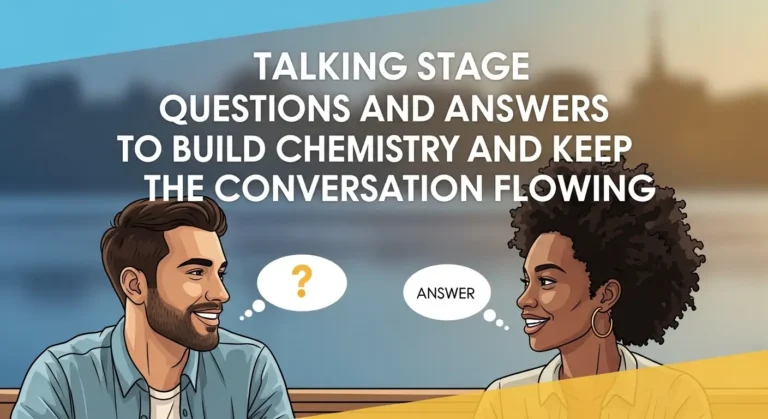
The talking stage can be exciting, confusing, and full of possibilities. You are getting to know someone, building a connection, and trying to figure out whether the chemistry could become something more. At the same time, conversations can sometimes become repetitive. You may talk about work, school, hobbies, music, or your day, but still feel like you have not really discovered what the other person is like.
That is where the right talking stage relationship questions can make a difference. Good questions help you move beyond small talk and create conversations that reveal personality, values, expectations, communication styles, and relationship goals. They can also make your conversations more natural instead of making them feel like an interview.
Whether you are texting someone you have recently met, spending time together in person, or trying to understand where your connection is heading, these 99 talking stage relationship questions can give you plenty of ideas. You do not need to ask them all at once. Choose questions that naturally fit the conversation and let the discussion develop from there.
Why Talking Stage Relationship Questions Matter
The talking stage is often the period when two people are deciding whether they genuinely enjoy each other’s company. You may already have attraction, but attraction alone does not tell you whether your personalities, values, communication styles, and expectations fit together.
Thoughtful talking stage relationship questions can help you discover the person behind the first impression. Instead of only discussing surface-level interests, you can learn about their experiences, dreams, boundaries, priorities, and ideas about relationships.
The best questions do not feel forced. They open the door to stories, opinions, laughter, and deeper conversations.
Talking Stage Relationship Questions About Personality
“How would you describe your personality to someone who has never met you?”
“What is something about you that people usually misunderstand?”
“What kind of environment makes you feel most comfortable?”
“What is one personality trait you are proud of?”
“What is something you are currently trying to improve about yourself?”
“What usually makes you feel instantly comfortable around someone?”
“Are you more of an introvert, extrovert, or somewhere in between?”
“What is something that can always make you laugh?”
“How do you usually act when you really like someone?”
“What is one thing that makes you different from most people you know?”
These talking stage relationship questions can help you understand how someone sees themselves. Pay attention not only to the answers but also to the stories behind them. Sometimes a person’s examples reveal much more than a simple description.
Talking Stage Relationship Questions About Childhood
Childhood experiences can influence how people communicate, trust others, and approach relationships. You do not have to turn the conversation into something overly serious, though. Childhood questions can be playful and nostalgic.
“What was your favorite thing to do as a kid?”
“What is one childhood memory that still makes you smile?”
“What kind of kid were you growing up?”
“Who did you look up to when you were younger?”
“What was your favorite childhood movie or television show?”
“What is something you used to believe when you were little?”
“Did you have a childhood dream that you still think about?”
“What family tradition did you enjoy growing up?”
“What is one lesson from your childhood that has stayed with you?”
“What’s something from your childhood you would love to experience again?”
These questions can lead to surprisingly personal conversations. They may also give you a glimpse into someone’s family life, interests, and formative experiences without making the discussion feel too serious.
Talking Stage Relationship Questions About Love
If the connection is becoming romantic, it is natural to wonder how the other person thinks about love. You can explore those ideas without immediately asking where the relationship is going.
“What does love mean to you?”
“What makes you feel genuinely appreciated in a relationship?”
“What’s your favorite way to show someone you care?”
“What makes you feel emotionally close to someone?”
“Do you believe people can fall in love slowly?”
“What do you think makes a relationship last?”
“What is one thing you think every healthy relationship needs?”
“How do you know when you truly trust someone?”
“What makes you feel valued by a romantic partner?”
“What is your idea of a meaningful relationship?”
These talking stage relationship questions can reveal whether your ideas about affection and emotional connection are similar or different. Differences are not automatically problems, but understanding them early can help you communicate more honestly.
Talking Stage Relationship Questions About Communication
Communication becomes especially important when a talking stage starts becoming more serious. Everyone has different ways of expressing feelings, dealing with disagreements, and staying connected.
“How do you usually communicate when something is bothering you?”
“Do you prefer talking things out immediately or taking some time first?”
“What makes you feel heard during a conversation?”
“How often do you like communicating with someone you are dating?”
“Do you prefer texting, calling, or talking face-to-face?”
“How do you usually handle misunderstandings?”
“What is something you wish people understood about the way you communicate?”
“How do you show someone that you are listening?”
“What makes you feel comfortable opening up to another person?”
“What’s the best way for someone to approach you when you’re upset?”
Good talking stage relationship questions about communication can help you discover whether you both have compatible expectations. They also encourage honest conversations before small misunderstandings become larger ones.
Talking Stage Relationship Questions About Dating Expectations
Dating expectations can vary considerably from one person to another. One person may be looking for something casual while another may already be interested in a committed relationship. Asking respectful questions can help prevent unnecessary confusion.
“What are you hoping to find through dating right now?”
“What does a healthy relationship look like to you?”
“How important is commitment to you?”
“What does being exclusive mean to you?”
“When do you think two people should have a conversation about relationship expectations?”
“What makes you decide that someone is worth pursuing?”
“Do you prefer relationships that develop slowly or quickly?”
“What is something you would never compromise on in a relationship?”
“What makes you feel secure in a relationship?”
“What are you looking for in a partner beyond physical attraction?”
These questions do not need to sound like a formal relationship discussion. You can introduce them naturally when the conversation turns toward dating, relationships, or future expectations.
Talking Stage Relationship Questions About Values
Shared values can play an important role in long-term compatibility. Talking about values does not mean you have to agree on everything. It simply gives you a clearer understanding of what matters to each person.
“What values are most important to you?”
“What does loyalty mean to you?”
“What does respect look like in a relationship?”
“How important is honesty to you?”
“What quality do you admire most in other people?”
“What is something you would never pretend to believe just to impress someone?”
“How do you define success?”
“What does being a good person mean to you?”
“What principle do you try to live by?”
“What is one value you would want your future partner to share?”
Talking stage relationship questions about values can move a conversation from casual attraction toward genuine understanding. They help you discover what someone prioritizes when making important decisions.
Talking Stage Relationship Questions About Boundaries
Healthy relationships require boundaries. Asking about them respectfully can demonstrate maturity and create a safer space for both people.
“What does personal space mean to you in a relationship?”
“How do you prefer to handle disagreements?”
“What is something that makes you uncomfortable in dating?”
“How important is alone time to you?”
“What does emotional privacy mean to you?”
“How do you feel about sharing personal matters on social media?”
“What boundaries do you think are important when two people start dating?”
“How do you know when someone has crossed a boundary?”
“What’s something you think partners should always respect?”
“How can someone make you feel safe enough to be yourself?”
These talking stage relationship questions should be approached with respect rather than curiosity for its own sake. A boundary is not an obstacle to overcome; it is information about what helps someone feel comfortable.
Fun Talking Stage Relationship Questions
Not every conversation needs to be deep. In fact, playful questions can help people relax and create memorable moments.
“If we could take a spontaneous trip tomorrow, where would you want to go?”
“What is your ideal lazy Sunday?”
“What song describes your personality right now?”
“What is your most random talent?”
“What is something you could talk about for hours?”
“If you could instantly become amazing at one skill, what would it be?”
“What would your perfect date look like?”
“What is the funniest thing that has happened to you recently?”
“If we had an entire day with no responsibilities, what would you want to do?”
“What is one thing that always puts you in a good mood?”
Fun questions are useful because they keep the talking stage from becoming too serious. Laughter and playful conversations can create their own kind of emotional connection.
Deep Talking Stage Relationship Questions
Once you feel comfortable with each other, deeper questions can help you understand fears, dreams, experiences, and emotional needs.
“What is something you’ve learned from a past relationship?”
“What experience changed the way you see relationships?”
“What is something you are afraid of when it comes to love?”
“What does emotional intimacy mean to you?”
“What is something you rarely tell people about yourself?”
“When do you feel most vulnerable?”
“What is one life lesson you wish you had learned earlier?”
“What kind of person do you want to become?”
“What does feeling emotionally safe with someone mean to you?”
“What is something you hope your future self will be proud of?”
Deep talking stage relationship questions should be asked at the right moment. If someone is not ready to discuss a personal topic, respect that. Building trust takes time.
Talking Stage Relationship Questions About the Future
Future-oriented questions can help you learn whether your goals and expectations have anything in common.
“What kind of life do you hope to build for yourself?”
“Where do you see yourself living someday?”
“What is one major goal you want to accomplish?”
“Do you want to travel a lot in the future?”
“What does your ideal lifestyle look like?”
“How important is career growth to you?”
“What kind of experiences do you want to have with a future partner?”
“What does a happy future look like to you?”
“Is there something you’ve always dreamed of doing?”
“What kind of relationship do you hope to have someday?”
Future conversations can be exciting, but they should not become pressure-filled predictions. The talking stage is about learning, not forcing certainty before you are ready.
Talking Stage Relationship Questions About Trust
Trust is one of the foundations of a healthy connection. Asking about trust can reveal how someone thinks about reliability, honesty, and emotional security.
“What makes you trust someone?”
“How long does it usually take you to trust a person?”
“What does loyalty mean to you?”
“What’s something that can quickly damage your trust?”
“How do you rebuild trust after a misunderstanding?”
“Do you find it easy to open up to people?”
“What makes you feel emotionally secure with someone?”
“How important is consistency to you?”
“What does keeping your word mean to you?”
“What makes someone trustworthy in your eyes?”
These questions can help you understand what reliability means to the other person. They can also encourage both of you to think about how trust develops naturally.
Talking Stage Relationship Questions About Everyday Life
Sometimes the simplest questions reveal the most useful information. Everyday habits can tell you about someone’s lifestyle, priorities, and personality.
“What does a normal day look like for you?”
“What is your favorite way to spend a free evening?”
“Are you more spontaneous or organized?”
“What is one habit you cannot live without?”
“How do you usually relax after a stressful day?”
“What kind of weekends do you enjoy most?”
“How important is work-life balance to you?”
“What little thing can instantly improve your day?”
“Do you enjoy staying home or going out more?”
“What does your perfect ordinary day look like?”
These questions are easy to bring up through text or conversation because they do not require a serious setup.
How to Ask Talking Stage Relationship Questions Naturally
The biggest mistake people make with talking stage relationship questions is asking too many questions back-to-back. Even interesting questions can feel uncomfortable if the conversation starts sounding like an interview.
Instead, share your own answer too. If you ask someone about their perfect date, tell them yours afterward. If you ask about their future goals, share something you are working toward. A conversation becomes much more meaningful when both people participate.
You should also follow interesting answers with natural follow-up questions. If they mention wanting to travel to Japan, ask what attracts them to Japan. If they talk about a childhood hobby, ask whether they still enjoy it.
The goal is not to complete a list of talking stage relationship questions. The goal is to discover each other.